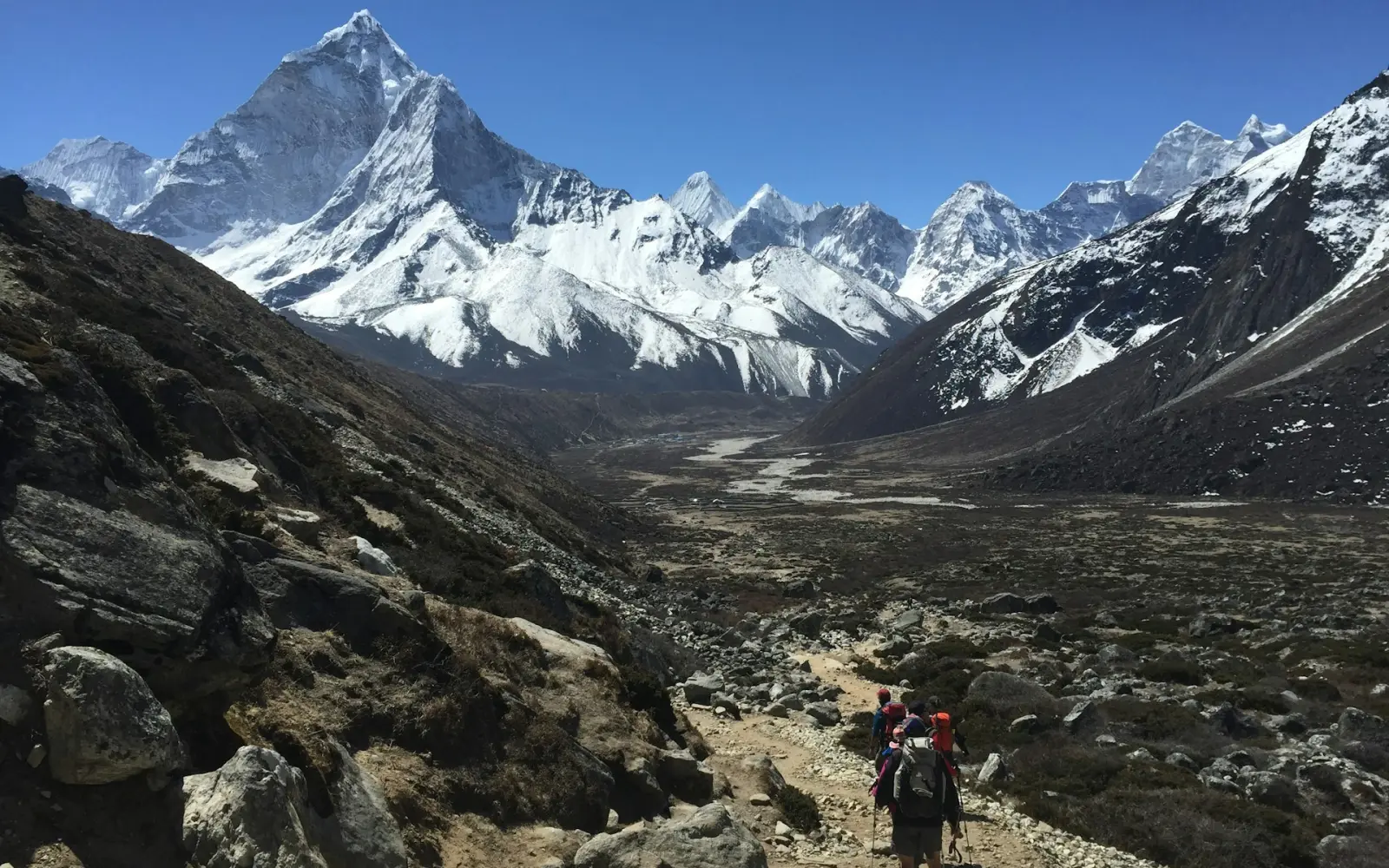
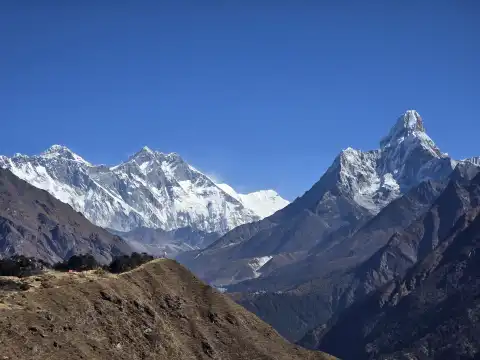
The Everest Base Camp (EBC) trek is one of the world’s most iconic trekking adventures, drawing travelers from across the globe to experience the grandeur of the Himalayas and the legendary Mount Everest. For beginners, this journey offers a unique blend of natural beauty, cultural immersion, and personal achievement. Starting from the bustling capital of Kathmandu and progressing through picturesque Sherpa villages, the trek gradually introduces you to high-altitude landscapes without requiring technical climbing skills.
With a carefully planned itinerary like the 14-day route offered by Holy Nepal Treks & Expedition, even first-time trekkers can safely reach Everest Base Camp. The key is proper acclimatization, a steady pace, and expert guidance. Along the way, you’ll witness breathtaking views, visit ancient monasteries, and experience the warm hospitality of the Sherpa community.
Key Points for Beginners:
- No mountaineering experience required, but good fitness is essential
- Gradual altitude gain helps prevent altitude sickness
- Best seasons: spring (March–May) and autumn (September–November)
- Accommodation typically in teahouses with basic facilities
- Professional guides from Holy Nepal Treks & Expedition enhance safety and experience
Introduction to Everest Base Camp Trek: Why It’s a Bucket-List Adventure
The Everest Base Camp trek is more than just a hike; it’s a life-changing journey through one of the most awe-inspiring regions on Earth. From the thrilling flight to Lukla to the vibrant atmosphere of Namche Bazaar, every day brings new landscapes and unforgettable experiences. The trail winds through lush forests, suspension bridges, glacial rivers, and eventually into the stark beauty of high-altitude terrain.
Everest Base Camp Trek - 14 Days
What makes this trek truly special is the sense of accomplishment and connection to nature. Standing at Everest Base Camp at 5,364 meters, surrounded by towering peaks, is a moment that stays with you forever. With Holy Nepal Treks & Expedition, beginners receive structured guidance, ensuring a safe, enjoyable, and well-paced adventure tailored to their needs.
Why It’s a Bucket-List Trek:
- Close-up views of Mount Everest and other Himalayan giants
- Cultural immersion in Sherpa traditions and Buddhist monasteries
- Scenic highlights like Tengboche Monastery
- A sense of achievement, reaching a high altitude without technical climbing
- A perfect mix of adventure, culture, and natural beauty
Where Is Everest Base Camp and Why Is It So Popular?
Everest Base Camp is located in the Khumbu Region in northeastern Nepal, inside Sagarmatha National Park. This protected area is home to rare wildlife, dramatic landscapes, and some of the highest peaks on Earth. The trek to EBC follows a well-established route used by climbers preparing to summit Mount Everest, giving trekkers a chance to walk in the footsteps of legendary mountaineers.
Everest Base Camp Trek - 14 Days
Its popularity comes from its accessibility and iconic status. Unlike climbing Everest itself, reaching Base Camp does not require technical expertise, making it achievable for determined beginners. The journey also offers diverse scenery from green valleys to icy glaciers, along with the chance to experience authentic Himalayan culture. With the support of Holy Nepal Treks & Expedition, trekkers can explore this legendary destination with confidence and comfort.
Why Everest Base Camp Is So Popular:
- Located at the base of the world’s highest mountain
- Part of a UNESCO-listed natural landscape
- Rich Sherpa culture and heritage
- Well-marked trails suitable for beginners
- Once-in-a-lifetime photo opportunities and panoramic views
Best Time to Trek to Everest Base Camp (Seasonal Guide for Beginners)
Choosing the right time to trek to Everest Base Camp is crucial for beginners, as weather and trail conditions can significantly impact your experience. The Everest region, located in the Khumbu Region within Sagarmatha National Park, experiences four main seasons: spring, summer (monsoon), autumn, and winter. Each offers a different trekking experience, but not all are equally suitable for first-time trekkers.
Spring (March to May) and autumn (September to November) are widely considered the best seasons. During these months, the skies are clear, temperatures are moderate, and the views of Mount Everest and the surrounding peaks are spectacular. Trekking with Holy Nepal Treks & Expedition during these peak seasons ensures well-organized logistics, experienced guides, and safer conditions for beginners.
Best Seasons for Beginners:
- Spring (March–May): Blooming rhododendrons, stable weather, great visibility
- Autumn (Sept–Nov): Crisp air, clear skies, best mountain views
- Winter (Dec–Feb): Cold but quieter trails (requires preparation)
- Monsoon (June–Aug): Rainy, slippery trails, limited visibility (not recommended)
- Ideal temperatures range from 10°C to -10°C depending on altitude
Everest Base Camp Trek Difficulty: Is It Hard for Beginners?
The Everest Base Camp trek is often described as moderately challenging, but it is absolutely achievable for beginners with proper preparation. The journey does not require technical climbing skills, but the increasing altitude reaching up to 5,364 meters at base camp can be physically demanding. Trekkers walk for 5–7 hours daily on uneven terrain, passing through villages like Namche Bazaar and Dingboche.
The biggest challenge is altitude, not the terrain itself. Proper acclimatization days, like those included in itineraries by Holy Nepal Treks & Expedition, are essential to reduce the risk of altitude sickness. With a steady pace, good hydration, and guidance from experienced professionals, most beginners complete the trek and enjoy the journey.
Difficulty Factors to Consider:
- High altitude and risk of altitude sickness
- Long trekking days (5–7 hours on average)
- Basic accommodation and limited facilities
- Cold temperatures at higher elevations
- Requires mental endurance and consistency
How to Prepare for Everest Base Camp Trek (Fitness, Training & Mindset)
Preparation is key to enjoying the Everest Base Camp trek, especially for beginners. While you don’t need to be an athlete, a basic level of fitness is necessary to handle long walking days and altitude changes. Training should ideally begin 6–8 weeks before your trip, focusing on cardio, strength, and endurance. Activities like hiking, jogging, cycling, and stair climbing can help simulate trekking conditions.
Equally important is mental preparation. The trek can be physically tiring and mentally demanding, especially in high-altitude environments. Staying positive, patient, and adaptable is essential. With the support of Holy Nepal Treks & Expedition, beginners receive guidance on pacing, acclimatization, and overall trekking strategy, making the journey more manageable and enjoyable.
Preparation Tips for Beginners:
- Build stamina with regular cardio workouts
- Practice hiking with a backpack
- Strengthen legs and core muscles
- Learn about altitude sickness and prevention
- Pack essential gear (layers, boots, sleeping bag)
- Stay mentally prepared for changing conditions
Permits Required for Everest Base Camp Trek in Nepal
Before starting your Everest Base Camp adventure, obtaining the necessary permits is mandatory. The trek passes through protected areas, including Sagarmatha National Park, which requires official authorization. These permits help preserve the natural environment and support local communities in the Everest region.
When you book your trek with Holy Nepal Treks & Expedition, the company typically arranges all required permits, making the process hassle-free for beginners. This allows you to focus on enjoying the journey rather than dealing with administrative tasks.
Essential Permits for EBC Trek:
- Sagarmatha National Park Entry Permit
- Khumbu Pasang Lhamu Rural Municipality Permit
- TIMS card (not always required for organized treks)
- Permits can be obtained in Kathmandu or at entry points
- Always carry permits during the trek for checkpoints
These permits ensure your trek is legal, safe, and contributes to sustainable tourism in Nepal’s Himalayas region.
Detailed Everest Base Camp Trek Itinerary for Beginners (Day-by-Day Guide)
A well-structured itinerary is essential for beginners attempting the Everest Base Camp trek. Starting from Kathmandu, the journey includes a scenic flight to Lukla and a gradual trek through iconic Sherpa settlements like Namche Bazaar. Proper acclimatization days are built into the schedule to help your body adjust to the increasing altitude, making the trek safer and more enjoyable.
With Holy Nepal Treks & Expedition, beginners benefit from a carefully paced 14-day itinerary designed to balance adventure and safety. Each day offers a mix of cultural experiences, scenic landscapes, and achievable trekking distances, ensuring you reach Everest Base Camp with confidence.
Beginner-Friendly Day-by-Day Highlights:
- Day 1: Arrival in Kathmandu and welcome dinner
- Day 2: Fly to Lukla, trek to Phakding
- Day 3: Trek to Namche Bazaar
- Day 4: Acclimatization in Namche (short hikes)
- Day 5–6: Trek to Tengboche and Dingboche
- Day 7: Acclimatization in Dingboche
- Day 8: Trek to Lobuche
- Day 9: Reach Everest Base Camp and overnight at Gorak Shep
- Day 10: Hike Kala Patthar, descend to Pheriche
- Day 11–12: Return trek to Namche and Lukla
- Day 13–14: Fly back to Kathmandu and departure
What to Pack for Everest Base Camp Trek (Complete Packing List)
Packing properly for the Everest Base Camp trek can make a huge difference in your comfort and safety. The weather in the Himalayas is unpredictable, with temperatures varying greatly between day and night. Beginners should focus on layering, lightweight gear, and essential trekking equipment to handle changing conditions.
When trekking with Holy Nepal Treks & Expedition, you’ll receive expert guidance on packing efficiently without overloading your backpack. Porters usually carry the bulk of your stuff, but you’ll still need a daypack with daily essentials. Smart packing ensures you stay warm, dry, and comfortable throughout the journey.
Essential Packing List:
- Clothing: Thermal base layers, Down jacket, waterproof shell, trekking pants
- Footwear: strong trekking boots, warm socks, camp shoes
- Gear: Sleeping bag (rated for -10°C or lower), trekking poles, backpack
- Accessories: Sunglasses, gloves, wool hat, sunblock
- Health & Hygiene: First-aid kit, water purification tablets, personal toiletries
- Documents: Passport, permits, travel insurance
Packing Tips:
- Pack light, but don’t skip essentials
- Use layering instead of bulky clothing
- Keep important items in your daypack
- Waterproof your gear with dry bags
Altitude Sickness at Everest Base Camp: Symptoms, Prevention & Tips
Altitude sickness is one of the most important concerns for beginner trekkers to Everest Base Camp. As you ascend above 3,000 meters—especially around Dingboche and beyond the air becomes thinner, and your body needs time to adjust. Ignoring symptoms can be dangerous, so awareness and prevention are key.
With a properly designed itinerary from Holy Nepal Treks & Expedition, including acclimatization days and gradual altitude gain, the risk of altitude sickness is significantly reduced. Guides are trained to monitor symptoms and take action if needed, ensuring your safety throughout the trek.
Common Symptoms of Altitude Sickness:
- Headache and dizziness
- Nausea or loss of appetite
- Shortness of breath
- Fatigue and difficulty sleeping
Prevention Tips:
- Ascend slowly and follow the itinerary
- Stay hydrated (drink 3–4 liters of water daily)
- Avoid alcohol and smoking
- Take acclimatization days seriously
- Consider medications like Acetazolamide if advised by a doctor
Important Advice:
- “Climb high, sleep low” for better acclimatization
- Listen to your body—don’t ignore symptoms
- Descend immediately if symptoms worsen
Understanding altitude sickness and preparing for it properly will help ensure a safe and successful Everest Base Camp trekking experience.
Accommodation and Food on the Everest Base Camp Trek
Accommodation on the Everest Base Camp trek is primarily in traditional teahouses, which are simple lodges run by local families throughout the Khumbu Region. These teahouses provide basic yet comfortable rooms, usually with twin beds, blankets, and shared bathrooms. As you ascend to higher altitudes near Everest Base Camp, facilities become more basic, but the warmth of Sherpa hospitality remains constant.
Food on the trek is surprisingly diverse, offering both local Nepali dishes and international options. Meals are freshly prepared and designed to provide the energy needed for long trekking days. With Holy Nepal Treks & Expedition, trekkers are guided to the best teahouses for hygiene, nutrition, and comfort, ensuring a pleasant experience even in remote mountain areas.
Accommodation & Food Highlights:
- Teahouses with basic but cozy rooms
- Shared bathrooms, limited hot showers at higher altitudes
- Popular meal: Dal Bhat (rice, lentils, vegetables) for sustained energy
- Other options: noodles, soups, pasta, eggs, tea, coffee
- Vegetarian-friendly menus widely available
- Safe drinking water options (boiled or purified)
Cost of Everest Base Camp Trek: Budget Breakdown for Beginners
The cost of trekking to Everest Base Camp can vary depending on your travel style, services, and season. For beginners, choosing a reliable company like Holy Nepal Treks & Expedition ensures transparency, safety, and value for money. A standard 14-day package typically includes permits, flights to Lukla, accommodation, meals, guides, and porters.
Budgeting properly helps you avoid unexpected expenses during the trek. While guided packages cover most essentials, trekkers should also plan for personal expenses such as snacks, Wi-Fi, charging, and tips. Investing in a well-organized trek enhances both safety and overall experience.
Estimated Cost Breakdown:
- Package Cost: $1,200 – $2,500 (depending on services)
- Flights (Kathmandu–Lukla): Included in most packages
- Permits: Sagarmatha National Park + local permits
- Guide & Porter: Usually included
- Personal Expenses: $20–$40 per day (extras)
Additional Costs to Consider:
- Travel insurance (mandatory)
- Trekking gear (purchase or rental)
- Tips for guides and porters
- Hot showers, Wi-Fi, and device charging fees
Do You Need a Guide or Porter for the Everest Base Camp Trek?
While it is technically possible to trek independently, hiring a guide or porter is highly recommended, especially for beginners. The trails in the Sagarmatha National Park are well-marked, but altitude challenges, weather changes, and logistics can make the journey difficult without expert support. A professional guide ensures safety, navigation, and cultural insights throughout the trek.
Porters, on the other hand, carry heavy stuff, allowing you to focus on walking and enjoying the scenery. With Holy Nepal Treks & Expedition, you get experienced, licensed guides and reliable porters who enhance your trekking experience while ensuring your well-being.
Benefits of Hiring a Guide:
- Expert navigation and itinerary management
- Knowledge of altitude sickness and safety protocols
- Cultural insights into Sherpa traditions
- Emergency support if needed
- Benefits of Hiring a Porter:
- Carry 10–15 kg of your stuff
- Reduce physical strain and fatigue
- Help you trek more comfortably and efficiently
Recommendation:
- Beginners should choose a guided trek for safety and convenience
- Supports local employment and sustainable tourism
Safety Tips for First-Time Everest Base Camp Trekkers
Safety should always be a top priority for anyone trekking to Everest Base Camp, especially beginners. The combination of high altitude, variable weather, and remote terrain requires careful planning and awareness. Starting your journey from Kathmandu and progressing gradually through villages like Namche Bazaar helps your body adapt safely.
With Holy Nepal Treks & Expedition, safety measures are integrated into every step of the trek—from experienced guides to well-planned acclimatization days. Being prepared and following expert advice can make the difference between a challenging trip and a truly unforgettable adventure.
Essential Safety Tips:
- Walk at a steady pace—avoid rushing
- Stay hydrated and eat well
- Follow acclimatization schedules strictly
- Check weather conditions regularly
- Carry a first-aid kit and essential medications
Emergency & Health Advice:
- Know the symptoms of altitude sickness
- Descend immediately if symptoms worsen
- Keep emergency contacts and insurance details handy
- Always listen to your guide’s instructions
By prioritizing safety and trekking with professionals, beginners can confidently enjoy the breathtaking journey to Everest Base Camp while minimizing risks.
Cultural Insights: Sherpa Culture and Local Traditions
One of the most enriching aspects of the Everest Base Camp trek is the opportunity to experience the unique culture of the Sherpa community. Living in the high-altitude villages of the Khumbu Region, Sherpas are known for their mountaineering skills, resilience, and deep spiritual connection to the mountains. Their traditions are heavily influenced by Tibetan Buddhism, which is reflected in monasteries, prayer flags, and mani stones found along the trail.
Everest Base Camp Trek - 14 Days
As you trek with Holy Nepal Treks & Expedition, you’ll have the chance to visit iconic cultural landmarks like Tengboche Monastery and interact with local families in teahouses. Respecting local customs, such as walking clockwise around religious monuments and greeting with “Namaste,” enhances your cultural experience and builds meaningful connections.
Cultural Highlights:
- Tibetan Buddhist traditions and rituals
- Prayer wheels, stupas, and colorful prayer flags
- Warm hospitality in Sherpa villages
- Local festivals and monastery visits
- Traditional foods and lifestyle in mountain communities
Internet, Charging & Connectivity on the Everest Base Camp Trek
Staying connected during the Everest Base Camp trek is possible, but it comes with limitations due to the remote nature of the Sagarmatha National Park. Most teahouses offer Wi-Fi services for an additional fee, especially in popular stops like Namche Bazaar. However, the connection can be slow and unreliable as you move to higher altitudes.
Charging your devices is also available in teahouses, but it usually costs extra and may be limited at higher elevations. With Holy Nepal Treks & Expedition, guides provide practical advice on managing connectivity and keeping your devices powered throughout the trek. Preparing for limited access helps you stay focused on the experience rather than digital distractions.
Connectivity Tips:
- Wi-Fi available at most teahouses (paid service)
- Mobile networks like Ncell/Nepal Telecom work in the lower regions
- Charging costs extra at higher altitudes
- Bring a power bank or solar charger
- Expect limited or no signal near Everest Base Camp
Common Mistakes Beginners Make on the Everest Base Camp Trek
Many beginners underestimate the challenges of the Everest Base Camp trek, which can lead to avoidable difficulties. One of the most common mistakes is ascending too quickly without proper acclimatization, especially after reaching places like Dingboche. Ignoring altitude symptoms or pushing beyond physical limits can put your health at risk.
Another frequent issue is poor preparation—either overpacking or bringing inadequate gear. Trekking in the Himalayas requires proper clothing, Fitness, and mental readiness. With Holy Nepal Treks & Expedition, beginners receive expert guidance to avoid these pitfalls and ensure a smoother journey.
Common Mistakes to Avoid:
- Skipping acclimatization days
- Walking too fast or overexerting
- Not drinking enough water
- Packing too much or too little
- Ignoring weather changes
- Not hiring experienced guides
Everest Base Camp Trek vs Other Treks in Nepal: Which Is Right for You?
Nepal offers a wide range of trekking options, each with its own charm and difficulty level. While the Everest Base Camp trek is the most famous, other popular routes like the Annapurna Circuit and Langtang Valley Trek provide equally stunning experiences with different landscapes and crowd levels. Choosing the right trek depends on your fitness, time, and preferences.
Everest Base Camp Trek - 14 Days
The EBC trek stands out for its iconic status and close-up views of Mount Everest. However, it can be busier and more expensive than other routes. With Holy Nepal Treks & Expedition, beginners receive personalized advice to select the trek that best suits their goals and experience level.
Comparison Highlights:
- Everest Base Camp: Iconic, high altitude, popular route
- Annapurna Circuit: Diverse landscapes, moderate difficulty
- Langtang Valley: Less crowded, closer to Kathmandu
- Cost and duration vary by trek
- All offer unique cultural and natural experiences
Final Thoughts: Is Everest Base Camp Worth It for Beginners?
For many travelers, trekking to Everest Base Camp is a dream come true—and for good reason. The journey offers unmatched views, cultural immersion, and a profound sense of achievement. Despite the challenges of altitude and long trekking days, beginners who prepare well and follow a structured itinerary can complete the trek.
With the support of Holy Nepal Treks & Expedition, even first-time trekkers can turn this ambitious goal into reality. From expert guides to carefully planned acclimatization schedules, every detail is designed to ensure safety and enjoyment. Standing at Everest Base Camp, surrounded by towering peaks, is an unforgettable reward that makes every step worthwhile.
Why It’s Worth It:
- Experience a once-in-a-lifetime adventure
- Stunning Himalayan scenery
- Cultural connection with Sherpa communities
- Personal achievement and confidence boost
- Professionally guided support for beginners
In the end, Everest Base Camp is not just a destination—it’s a journey that transforms and inspires.
How Long Does It Take to Reach Everest Base Camp?
Reaching Everest Base Camp typically takes around 12 to 14 days for a standard round-trip trek starting from Kathmandu. This duration includes essential acclimatization days in key locations like Namche Bazaar and Dingboche to help your body adjust to high altitude. While it may seem long, this gradual approach is crucial for safety and overall enjoyment.
With Holy Nepal Treks & Expedition, the itinerary is carefully designed to balance trekking distance, altitude gain, and rest days. Beginners benefit from a steady pace, allowing them to fully experience the beauty of the Himalayas without unnecessary risk.
Typical Duration Breakdown:
- 2 days: Arrival and flight to Lukla
- 8–9 days: Trek to Everest Base Camp
- 3–4 days: Return trek to Lukla
- Total: 12–14 days (standard itinerary)
Can a Beginner Trek to Everest Base Camp?
Yes, beginners can absolutely trek to Everest Base Camp with the right preparation and guidance. The trek does not require technical climbing skills, making it accessible to anyone with a reasonable level of fitness and determination. The route through the Khumbu Region is well-established and supported by teahouses, guides, and porters.
Choosing a reliable company like Holy Nepal Treks & Expedition makes a significant difference for first-time trekkers. With expert guides, proper acclimatization, and a well-paced itinerary, beginners can safely complete the journey and enjoy the experience without feeling overwhelmed.
Why Beginners Can Do It:
- No mountaineering or technical skills required
- Gradual altitude gain with rest days
- Well-marked trails and support facilities
- Professional guidance improves safety
- A strong mindset is as important as fitness
What Is the Success Rate of the Everest Base Camp Trek?
The success rate of the Everest Base Camp trek is generally very high—often estimated at over 90% for trekkers who follow proper acclimatization and preparation guidelines. Unlike climbing Mount Everest, reaching base camp is more about endurance and altitude management than technical ability.
Most unsuccessful attempts are due to altitude sickness or poor planning. With Holy Nepal Treks & Expedition, trekkers are closely monitored, and itineraries are designed to maximize success while minimizing health risks. This significantly increases the likelihood of reaching your goal.
Factors That Affect Success Rate:
- Proper acclimatization schedule
- Physical fitness and preparation
- Weather conditions
- Hydration and nutrition
- Following the guide instructions
Do I Need Travel Insurance for Everest Base Camp?
Yes, travel insurance is essential for the Everest Base Camp trek and is often mandatory when booking with professional companies like Holy Nepal Treks & Expedition. Trekking in remote areas of the Sagarmatha National Park involves risks such as altitude sickness, injury, or sudden weather changes.
A good insurance policy should cover high-altitude trekking (up to 6,000 meters) and emergency helicopter evacuation, which can be very expensive without coverage. Having insurance provides peace of mind and ensures you are protected in case of emergencies.
What Your Insurance Should Cover:
- High-altitude trekking (up to 5,500–6,000m)
- Emergency helicopter evacuation
- Medical treatment and hospitalization
- Trip cancellation or delays
- Lost or stolen goods
What Is the Best Age for the Everest Base Camp Trek?
There is no strict age limit for trekking to Everest Base Camp, making it accessible to a wide range of adventurers. People as young as teenagers and as old as their 60s or even 70s have completed the trek. The key factor is overall fitness, health, and determination—not age itself.
With Holy Nepal Treks & Expedition, itineraries can be customized to suit different age groups, ensuring a comfortable pace and proper acclimatization. Whether you are a young traveler or a senior adventurer, the journey through the Himalayas can be a rewarding experience.
Age & Fitness Guidelines:
- Ideal age range: 16–65 (flexible based on fitness)
- Good health and stamina are essential
- Older trekkers should consult a doctor before traveling
- Customized itineraries help different age groups succeed
- Mental strength and pacing are key to completion
- No matter your age, trekking to Everest Base Camp is an achievable and unforgettable adventure with the right preparation and support.