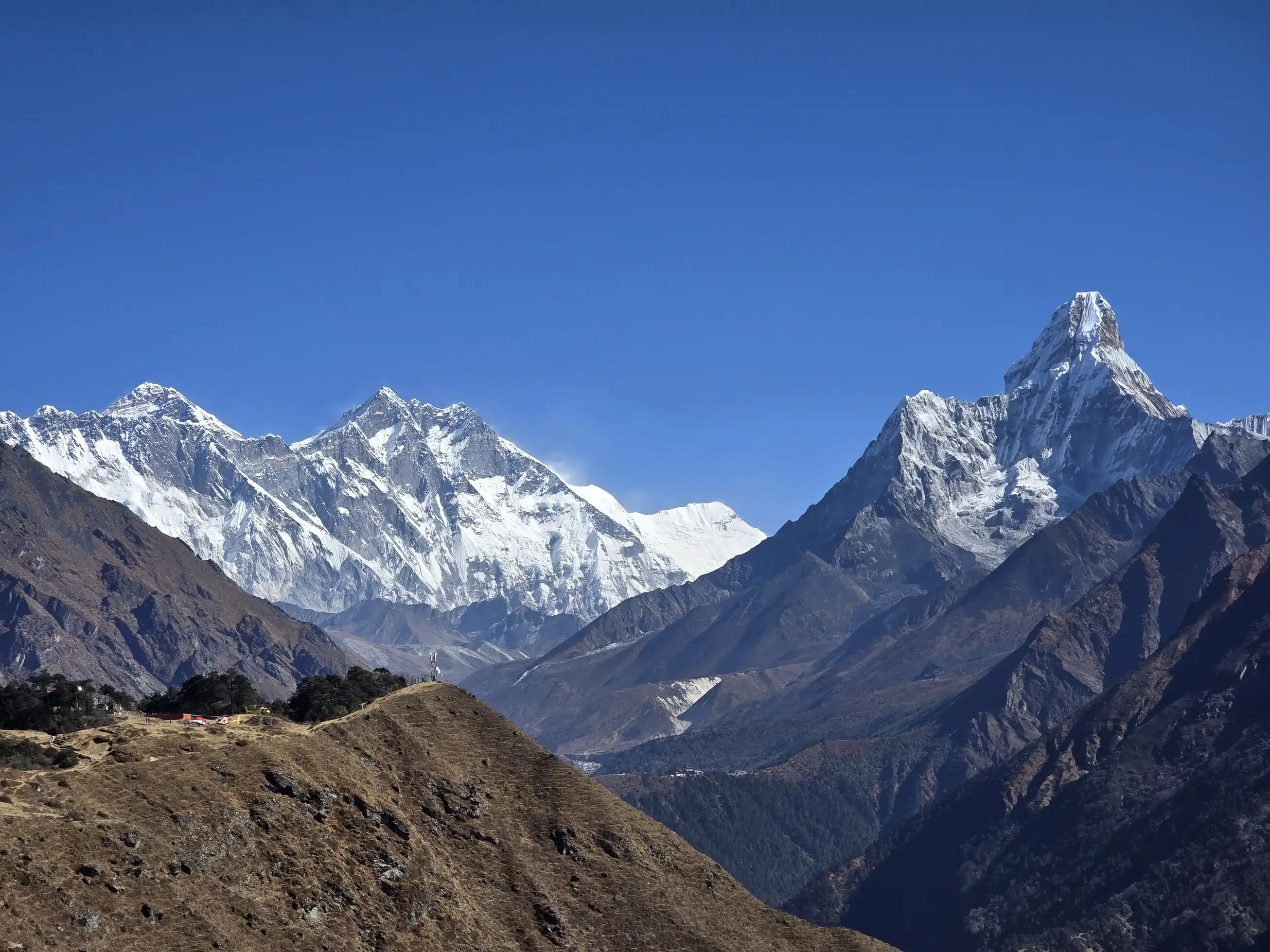
The Everest Base Camp Trek is one of the world’s most iconic Himalayan adventures, offering a powerful blend of natural grandeur, cultural richness, and personal challenge. Operated by Holy Nepal Treks & Expedition, this journey takes you deep into the heart of the Khumbu region, where towering peaks, ancient Sherpa villages, and spiritual mountain landscapes create an unforgettable experience. From the moment you land in Kathmandu to your final farewell, every step of this trek is designed to immerse you in the raw beauty of the Himalayas and the legendary trail leading to the base of Mount Everest (8,848.86 m).
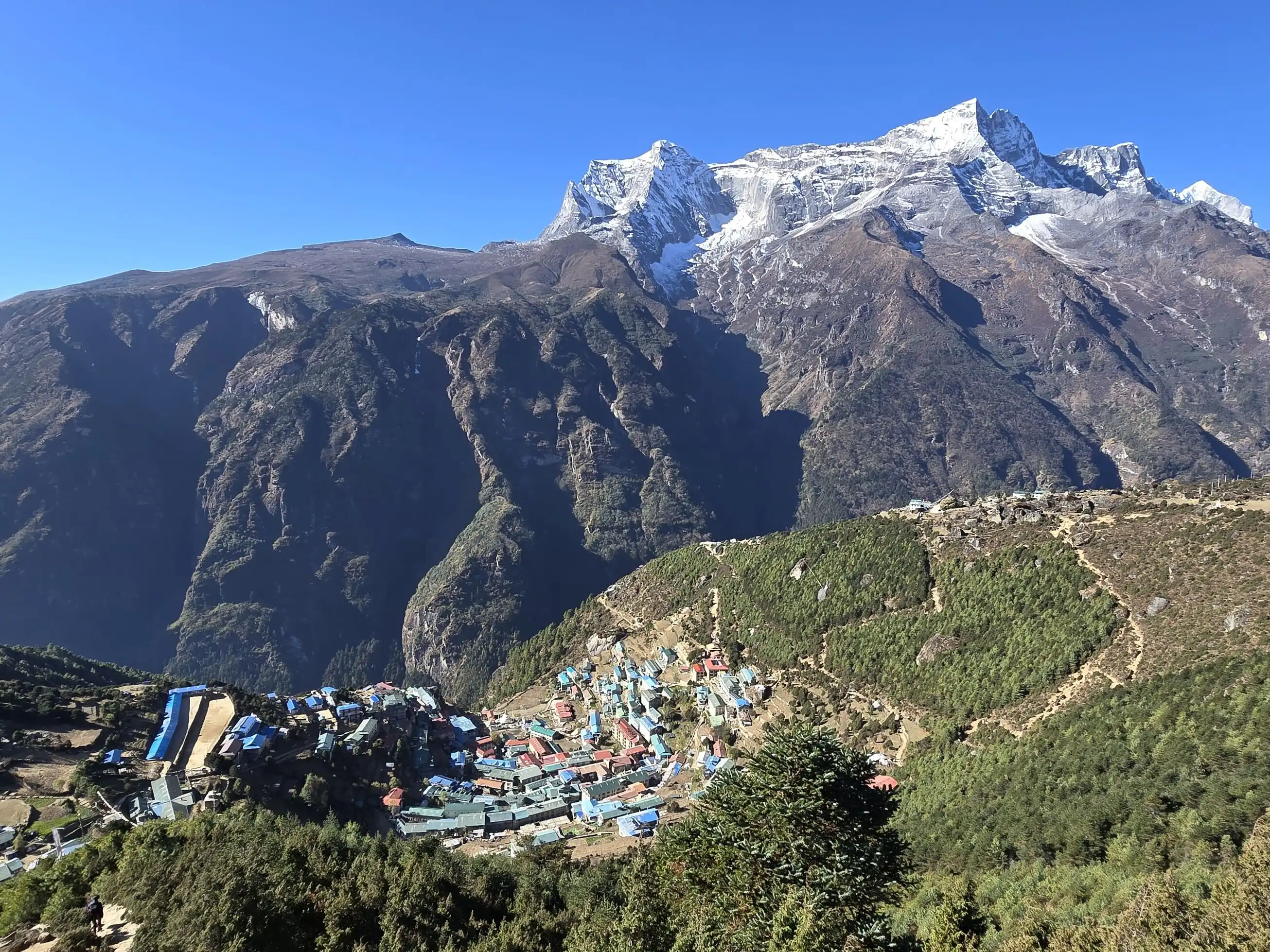
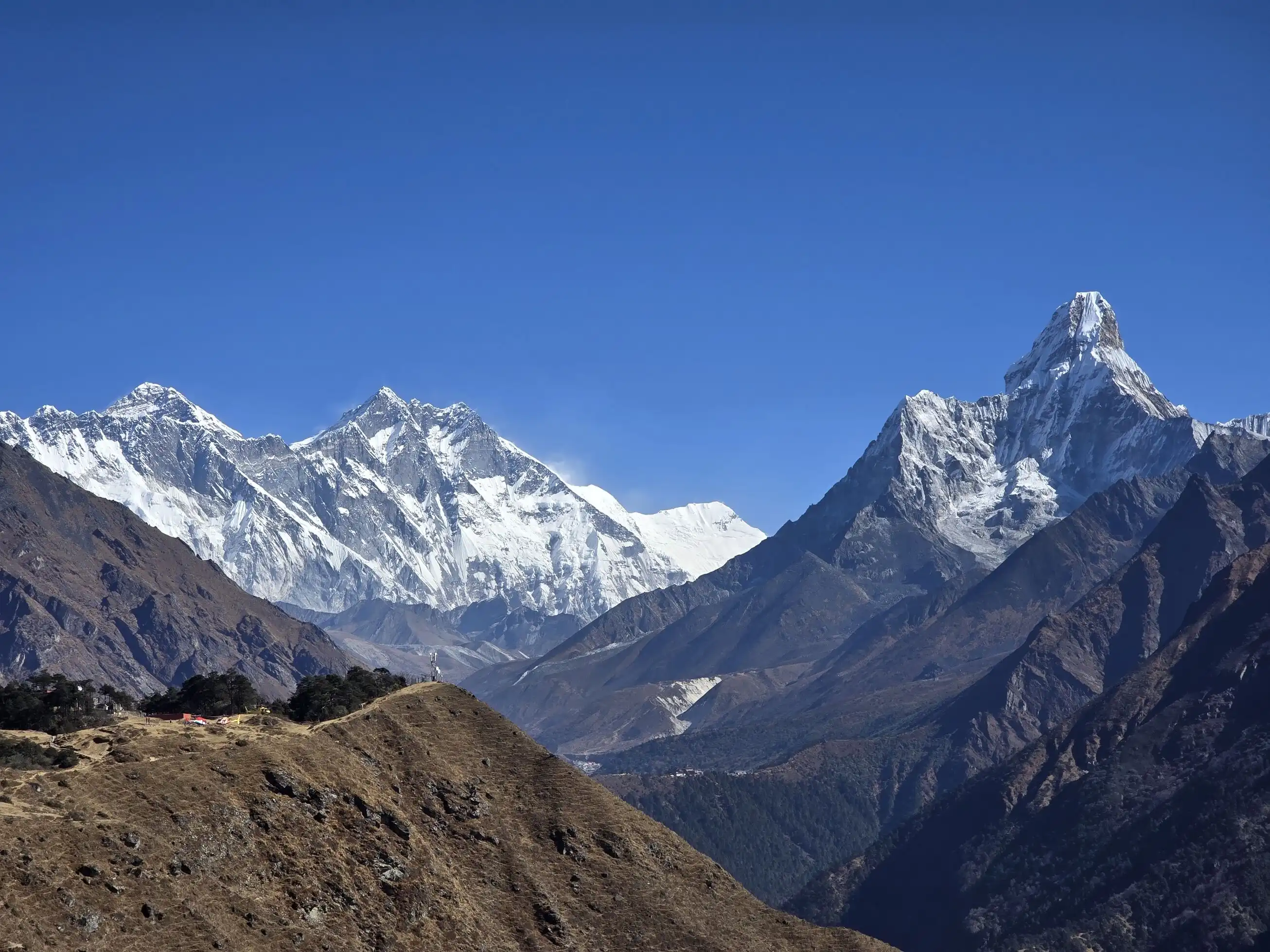
The adventure begins in Kathmandu, followed by a thrilling mountain flight to Lukla, one of the world’s most dramatic airstrips. From here, the trail winds through traditional villages like Phakding, gradually ascending toward the bustling Himalayan hub of Namche Bazaar (3,440 m). This vibrant town is known as the gateway to Everest and offers your first breathtaking views of Everest, Lhotse, and Ama Dablam. As you continue deeper into the region, the trail passes through spiritual landmarks such as Tengboche Monastery (3,860 m), where prayer flags flutter against snow-covered peaks, and monks chant in serene harmony.
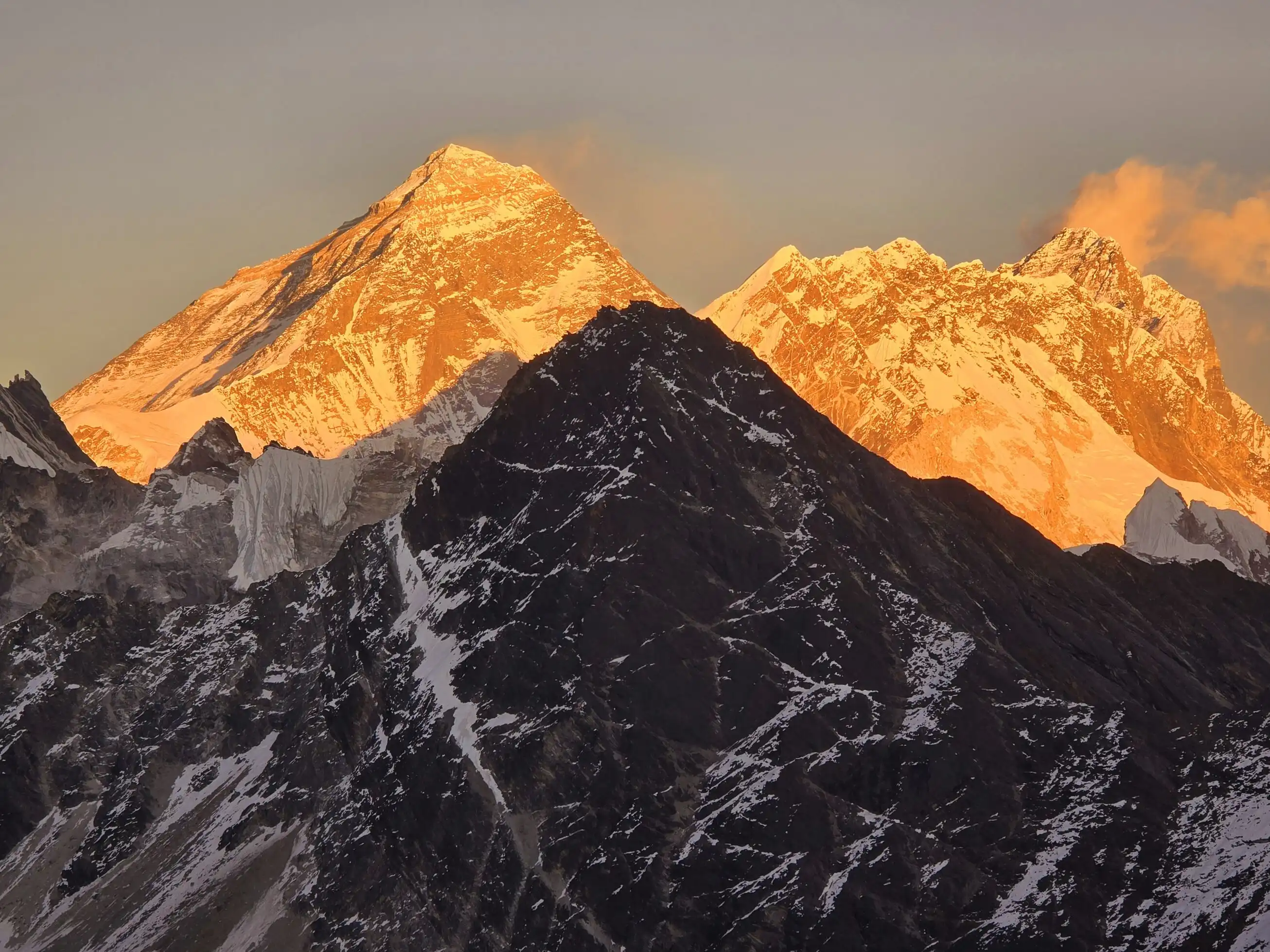
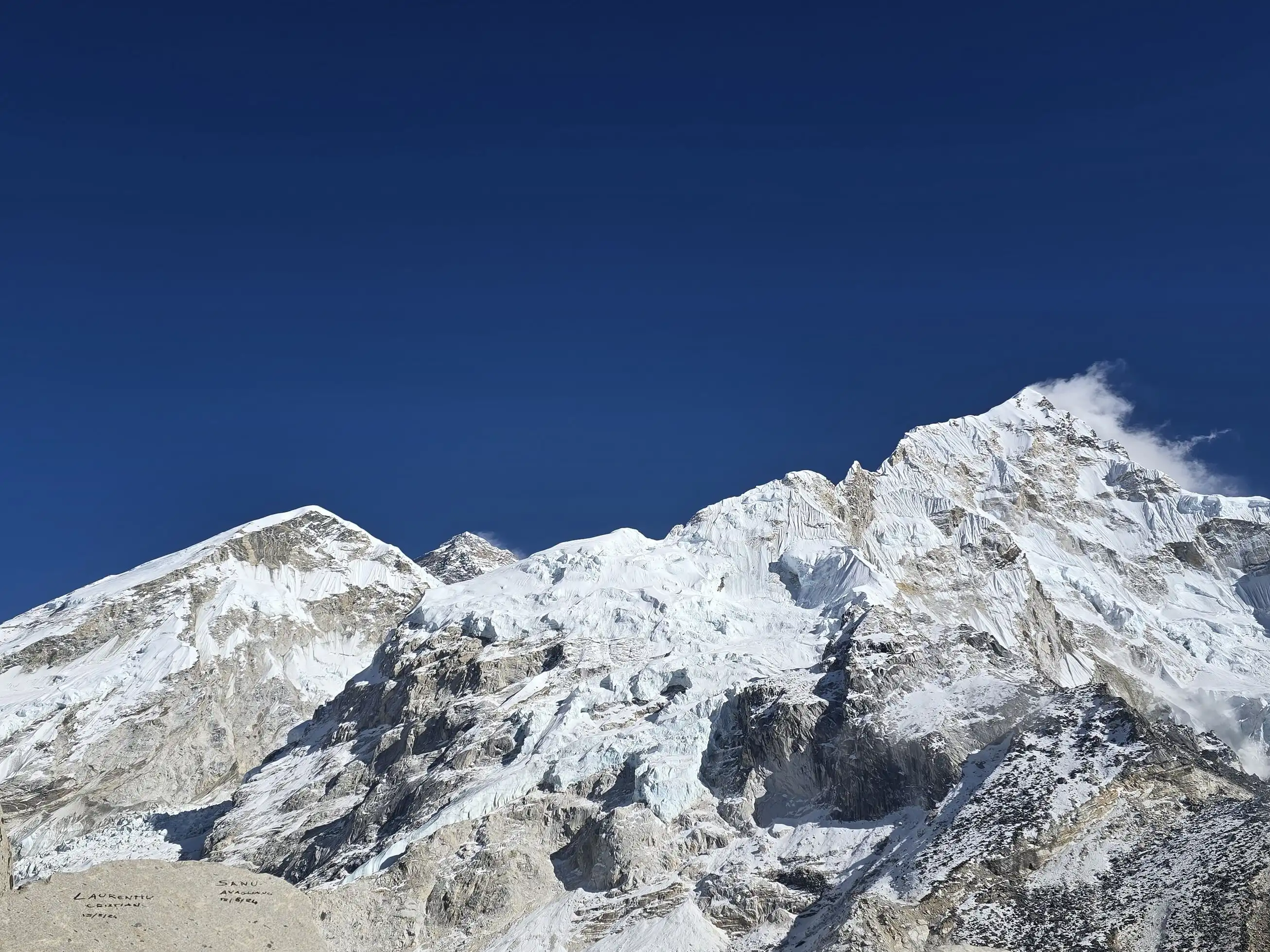
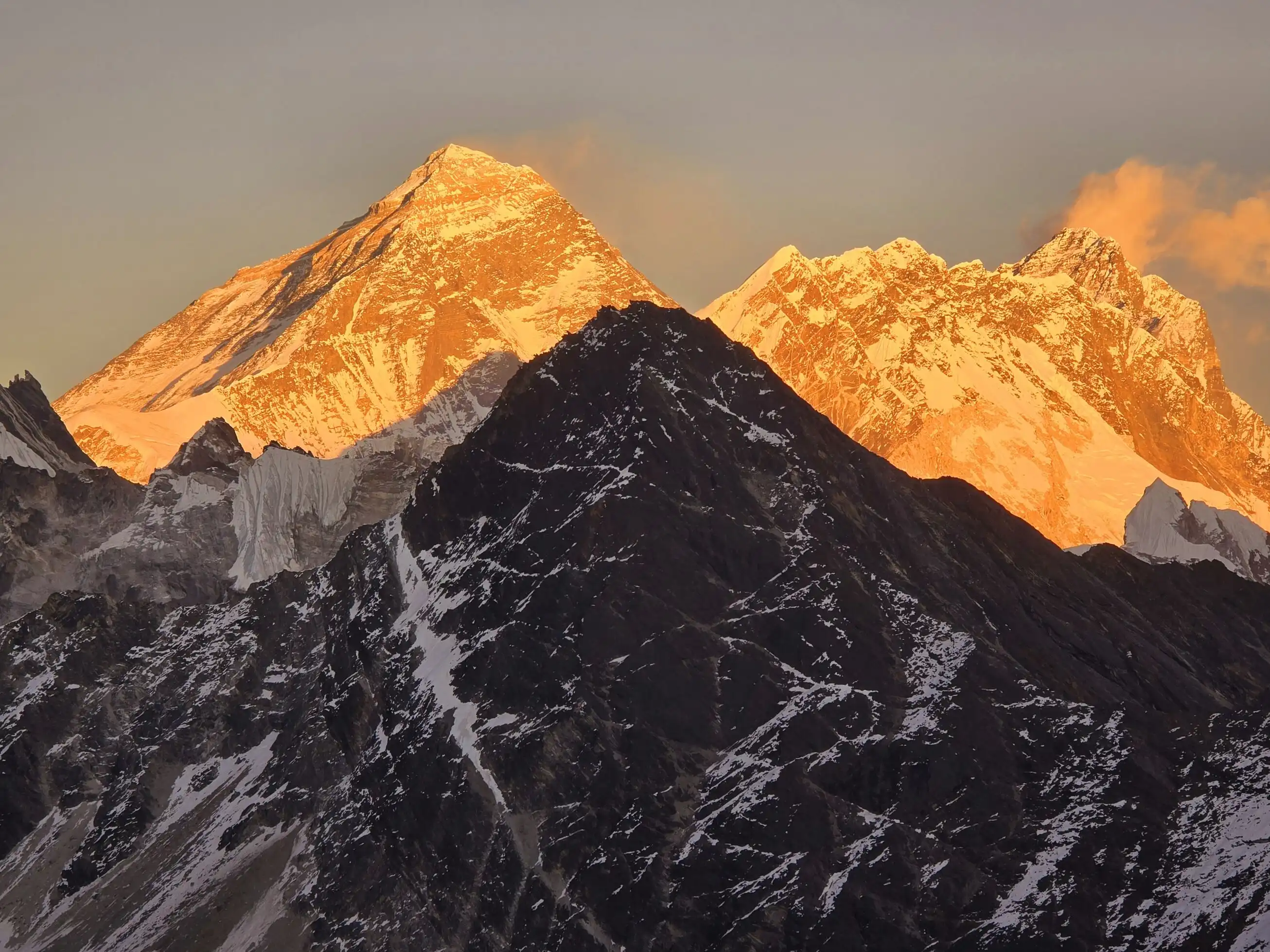
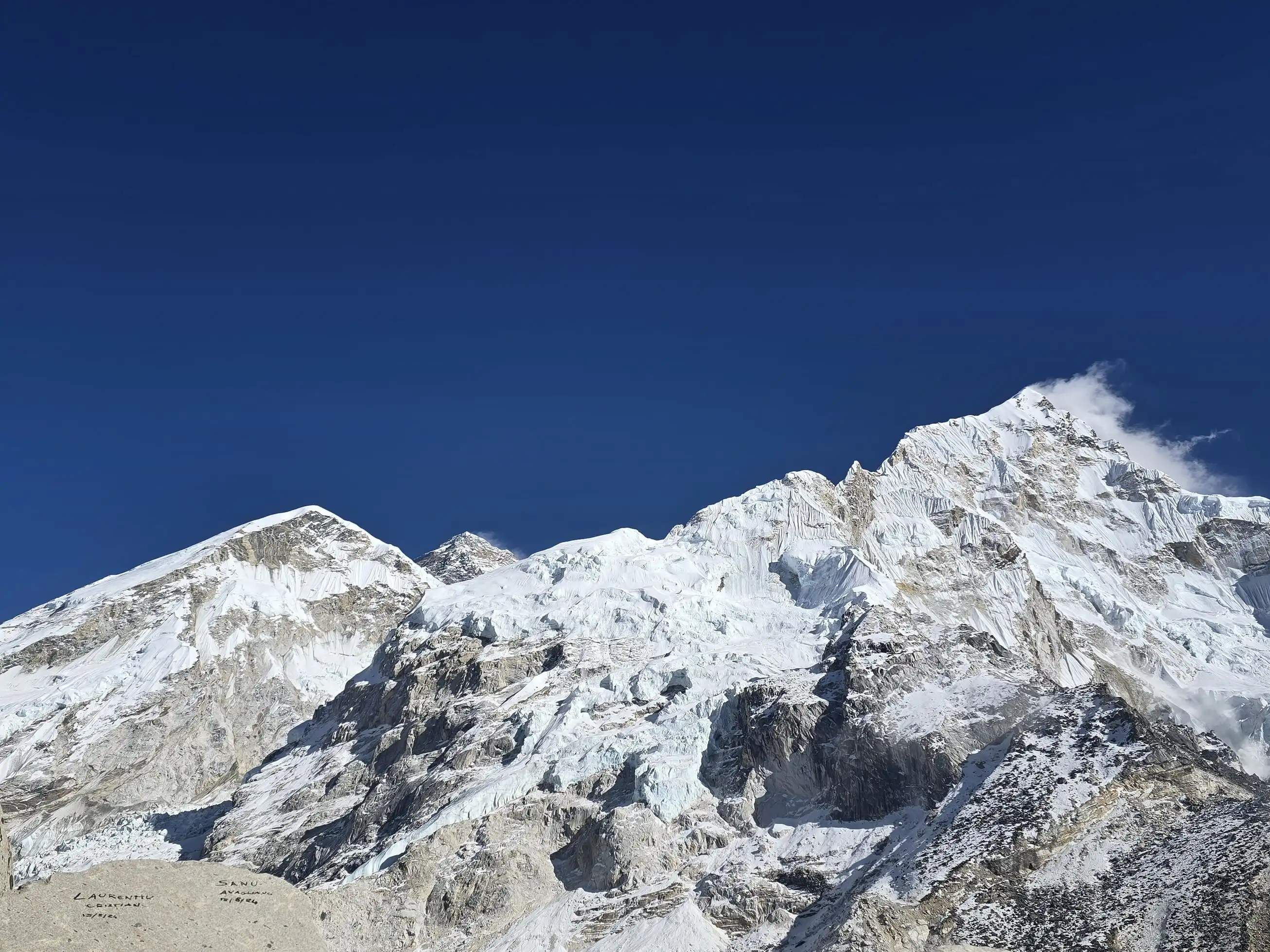
Further along the journey, trekkers experience the dramatic shift in altitude and landscape, moving through alpine zones toward Dingboche, Lobuche, and finally Everest Base Camp (5,364 m). Standing at base camp is an emotional milestone, surrounded by glaciers, ice formations, and the legendary Khumbu Icefall. A sunrise hike to Kala Patthar (5,545 m) offers the most stunning panoramic view of Everest glowing in golden light, a moment that defines the entire trek.
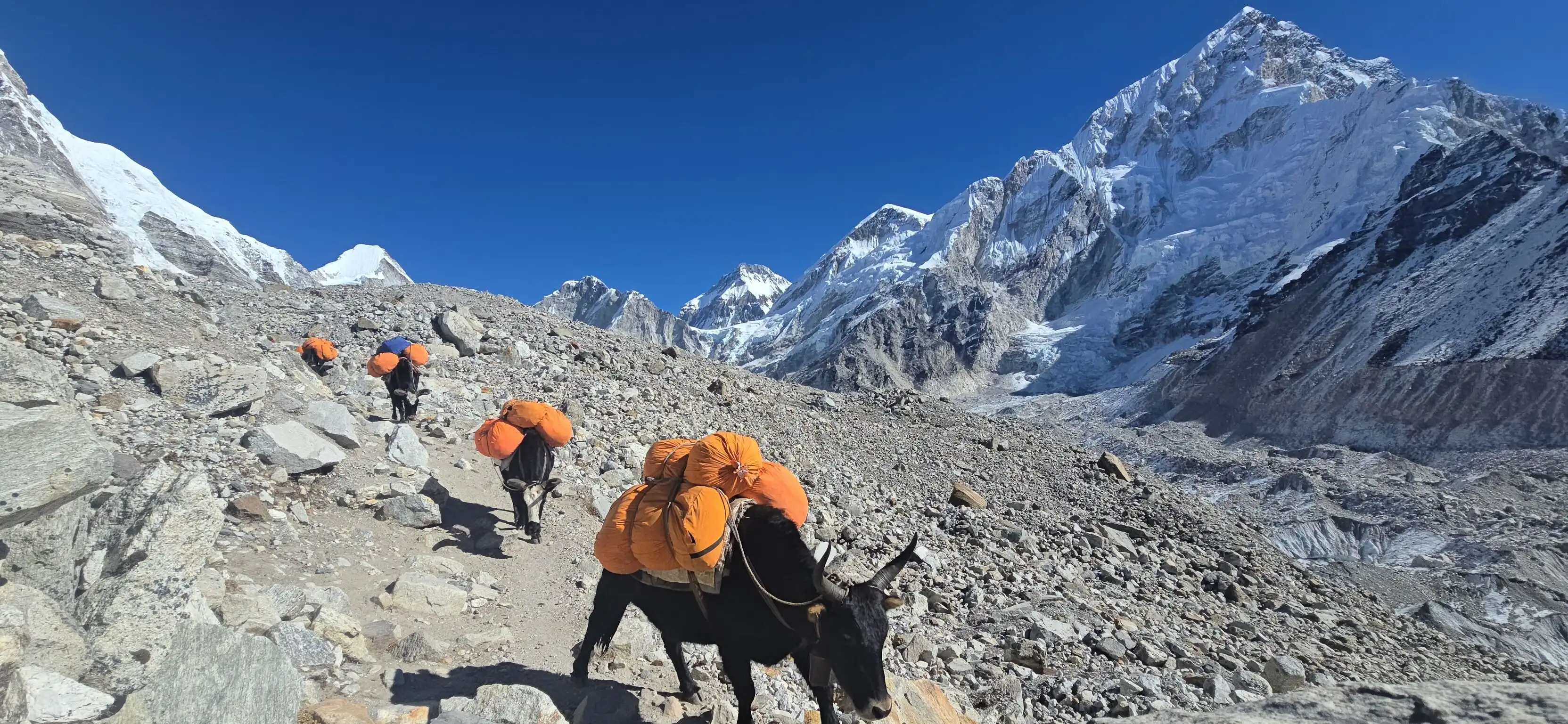
Beyond the scenery, this trek is deeply enriched by Sherpa culture. You will walk ancient trails shaped by generations, cross suspension bridges over roaring glacial rivers, and experience the warmth, resilience, and hospitality of the mountain communities. Each village along the route reflects a unique blend of Buddhist traditions, spirituality, and high-altitude mountain life.
- Scenic mountain flight to Lukla and dramatic Himalayan entry
- Exploration of Sherpa culture and traditional villages
- Visit to Namche Bazaar, the vibrant Himalayan gateway town
- Spiritual experience at Tengboche Monastery
- Close-up views of Everest, Ama Dablam, Lhotse, and surrounding peaks
- Trek through alpine valleys, glaciers, and suspension bridges
- Emotional arrival at Everest Base Camp (5,364 m)
- Sunrise panoramic hike to Kala Patthar (5,545 m)
- Deep immersion in Himalayan landscapes and Buddhist culture
The Everest Base Camp Trek with Holy Nepal Treks & Expedition is more than just a trekking route; it is a life-changing journey through one of the most breathtaking mountain environments on Earth. Every day brings new challenges, new beauty, and a deeper connection to the Himalayas, making it a truly unforgettable adventure for trekkers from around the world.
Everest Base Camp Trek Overview
The Everest Base Camp Trek (EBC Trek) is one of the most iconic high-altitude adventures in the world, offering an unforgettable combination of Himalayan scenery, Sherpa culture, and personal challenge. With Holy Nepal Treks & Expedition, this carefully structured Everest Base Camp trekking experience follows a 14-day itinerary designed for proper acclimatization, safety, and maximum enjoyment of the Everest region. From the bustling streets of Kathmandu to the foot of the world’s highest peak, every step of this journey reveals a new layer of natural beauty and cultural richness.
The trek begins with arrival in Kathmandu, followed by a scenic and thrilling flight to Lukla, the gateway to the Khumbu region. From here, the Everest trek unfolds gradually through beautiful river valleys, suspension bridges, and traditional Sherpa villages such as Phakding, Namche Bazaar, Tengboche, Dingboche, Lobuche, and Gorak Shep. Each day of the Everest Base Camp trek is carefully planned with a balance of trekking, rest, and acclimatization, ensuring trekkers adapt safely to increasing altitude.
A key highlight of this Everest trekking adventure is reaching Everest Base Camp itself, followed by the sunrise hike to Kala Patthar, where panoramic views of Mount Everest and surrounding peaks create a once-in-a-lifetime moment. The return journey retraces the route, offering new perspectives and a deeper appreciation of the Himalayas.
Itinerary Highlights:
- Day 1–2: Arrival in Kathmandu & flight to Lukla
- Day 3–4: Trek to Namche Bazaar + acclimatization
- Day 5–7: Trek through Tengboche to Dingboche
- Day 8–10: Lobuche, Everest Base Camp & Kala Patthar
- Day 11–14: Return trek to Lukla & departure
With Holy Nepal Treks & Expedition, this EBC trekking journey becomes more than a hike; it becomes a transformative Himalayan experience filled with adventure, culture, and achievement.
Best Season for Everest Base Camp Trek
Choosing the right season is essential for a successful Everest Base Camp Trek, as weather conditions directly affect visibility, safety, and overall trekking experience. The Everest Base Camp trekking route passes through high-altitude terrain where the weather can change rapidly, so planning your EBC trek during the right months ensures the best possible adventure.
The most popular seasons for the Everest trek are spring (March to May) and autumn (September to November). In spring, the trails of the Everest region come alive with blooming rhododendron forests, stable temperatures, and clear skies. This is one of the best times for Everest trekking, as the visibility of peaks like Everest, Lhotse, and Ama Dablam is excellent. The weather is generally mild, making long trekking days more comfortable.
Autumn is equally ideal for Everest Base Camp trekking, offering crisp mountain air, dry trails, and the clearest Himalayan views of the year. This season follows the monsoon, which cleans the atmosphere and enhances visibility. It also coincides with major Nepali festivals, giving trekkers a chance to experience local culture during the journey organized by Holy Nepal Treks & Expedition.
Winter (December to February) is quieter but extremely cold, with snow-covered trails and fewer trekkers. Monsoon (June to August) brings heavy rainfall, slippery paths, and limited mountain views, making it the least favorable time for the EBC trek.
Best Season Summary:
- Spring: Blooming landscapes & clear mountain views
- Autumn: Best visibility & stable weather conditions
- Winter: Quiet trails but extreme cold
- Monsoon: Green scenery but unpredictable weather
For the best Everest Base Camp trekking experience, spring and autumn remain the top recommended seasons.
Everest Base Camp Trekking Difficulty and Transportation
The Everest Base Camp Trek is considered a moderately challenging Himalayan adventure that requires good physical fitness, mental endurance, and proper preparation. While the EBC trek does not involve technical climbing, the high altitude reaching over 5,000 meters makes it physically demanding. Trekkers on the Everest trekking route typically walk 5–7 hours per day across varied terrain, including steep ascents, rocky paths, and suspension bridges.
Altitude is the biggest challenge in the Everest Base Camp trek, as oxygen levels decrease significantly above 3,000 meters. Proper acclimatization days in Namche Bazaar and Dingboche, arranged by Holy Nepal Treks & Expedition, are essential to reduce the risk of altitude sickness and ensure a safe journey. Slow pacing, hydration, and rest are key to completing the Everest trek successfully.
Transportation is also an exciting part of the EBC trekking experience. The journey begins with a short but thrilling flight from Kathmandu to Lukla, one of the world’s most adventurous mountain airports. This scenic flight offers breathtaking views of Himalayan peaks and marks the official start of the Everest Base Camp trek. From Lukla onward, the entire journey is completed on foot with the assistance of experienced guides and porters.
Key Difficulty & Transportation Points:
- Moderate difficulty level with long trekking hours
- No technical climbing required
- High-altitude challenge above 3,000m
- Scenic and adventurous flight to Lukla
- Fully guided trekking supported by local experts
With proper preparation and support from Holy Nepal Treks & Expedition, the Everest Base Camp trekking experience becomes a safe and highly rewarding Himalayan adventure.
Food and Accommodation for Everest Base Camp Trek
Food and accommodation during the Everest Base Camp Trek are simple yet essential parts of the overall EBC trek experience. Throughout the Everest trekking route, trekkers stay in traditional teahouses operated by local Sherpa families. These teahouses provide a warm, welcoming atmosphere that reflects the hospitality of the Everest region.
Meals on the Everest Base Camp trekking route are designed to provide energy and nutrition for long trekking days. The most popular dish is dal bhat (rice, lentils, and vegetables), which is fresh, filling, and often unlimited. Other options include noodles, soups, pasta, fried rice, potatoes, pancakes, and eggs. As altitude increases, food variety becomes simpler, but meals remain freshly prepared and highly energizing for the Everest trek.
Accommodation is basic but comfortable. Rooms usually include twin beds with mattresses, blankets, and shared bathroom facilities. As you ascend higher on the EBC trekking route, facilities become more basic due to the remote environment, but the warmth of Sherpa hospitality remains constant. Communal dining areas are a highlight of the journey, where trekkers gather around a stove, sharing stories and experiences from the Everest Base Camp trek.
Food & Accommodation Highlights:
- Freshly cooked, energy-rich meals
- Traditional Nepali and international food options
- Basic but cozy teahouse lodging
- Warm Sherpa hospitality throughout the trek
- Communal dining for social interaction
With Holy Nepal Treks & Expedition, trekkers enjoy safe, hygienic, and well-managed food and accommodation arrangements throughout the Everest Base Camp trekking journey.
Everest Base Camp Trek Permits
To complete the Everest Base Camp Trek, trekkers must obtain the official permits required by the Government of Nepal. These permits are mandatory for entering the protected Himalayan regions and supporting conservation efforts in the Everest area. During your EBC trek, permits are checked at several points along the route to ensure compliance with local regulations.
The two main permits required for the Everest trek are the Sagarmatha National Park Entry Permit and the Khumbu Pasang Lhamu Rural Municipality Permit. These permits help maintain sustainable tourism and protect the fragile environment of the Everest Base Camp trekking region. The Sagarmatha National Park is a UNESCO World Heritage Site, making conservation efforts even more important for preserving its natural beauty.
When booking your Everest trek with Holy Nepal Treks & Expedition, all permit arrangements are handled professionally, ensuring a hassle-free experience. Trekkers only need to provide a passport copy and a few photographs, while the agency manages all official procedures in advance.
Required Permits:
- Sagarmatha National Park Entry Permit
- Khumbu Pasang Lhamu Rural Municipality Permit
- TIMS Card for Khumbu trekking
- Passport copy and passport-sized photos
Proper documentation ensures a smooth trek and contributes to responsible tourism in the Himalayas. With all permits managed by Holy Nepal Treks & Expedition, your EBC trekking journey remains fully legal, organized, and stress-free.
Why Choose Everest Base Camp Trek
The Everest Base Camp Trek is more than just a trekking route; it is a life-changing journey that combines adventure, culture, and self-discovery. The EBC trek allows you to stand at the base of Mount Everest, surrounded by towering peaks, glaciers, and the raw beauty of the Himalayas. Every step of the Everest trekking experience brings a deeper connection with nature and personal achievement.
Choosing Holy Nepal Treks & Expedition ensures a safe, well-organized, and enriching Everest Base Camp trekking experience. With experienced local guides, professional support staff, and carefully planned itineraries, trekkers receive personalized care throughout the journey. The company focuses on safety, cultural immersion, and sustainable tourism, making your Everest trek both meaningful and responsible.
This trek is ideal for adventure lovers, cultural explorers, and anyone seeking a transformative Himalayan experience. From the vibrant Sherpa villages to the dramatic landscapes of the Khumbu region, the Everest Base Camp trek offers unforgettable memories that last a lifetime.
Reasons to Choose:
- Iconic Himalayan adventure to Everest Base Camp
- Deep cultural experience in Sherpa villages
- Professional guidance by local experts
- Safe, well-planned trekking itinerary
- Life-changing personal achievement
With Holy Nepal Treks & Expedition, your Everest Base Camp trekking journey becomes not just a destination, but a powerful story of endurance, beauty, and discovery.