Holy Nepal Treks & Expedition

Langtang Valley Trek - 10 Days

Duration
10 days
Max. Elevation
4800 m / 15748 ft
Group Size
Min 1+
Level
Moderate
Best season
Mar - May, Sep - Nov
Starts / Ends
Kathmandu / Kathmandu
Accommodation
Hotel in Kathmandu and Lodge / Tea House during trek
Transportation
All ground transportation as per the itinerary
Meals
Breakfast in Kathmandu and all meals (breakfast, lunch, dinner) during the trek.

10
Days
Starting From
US$ 0

Make an Enquiry

Have a question before you book? Send your enquiry below and our travel experts will get back with the required information.

Highlights

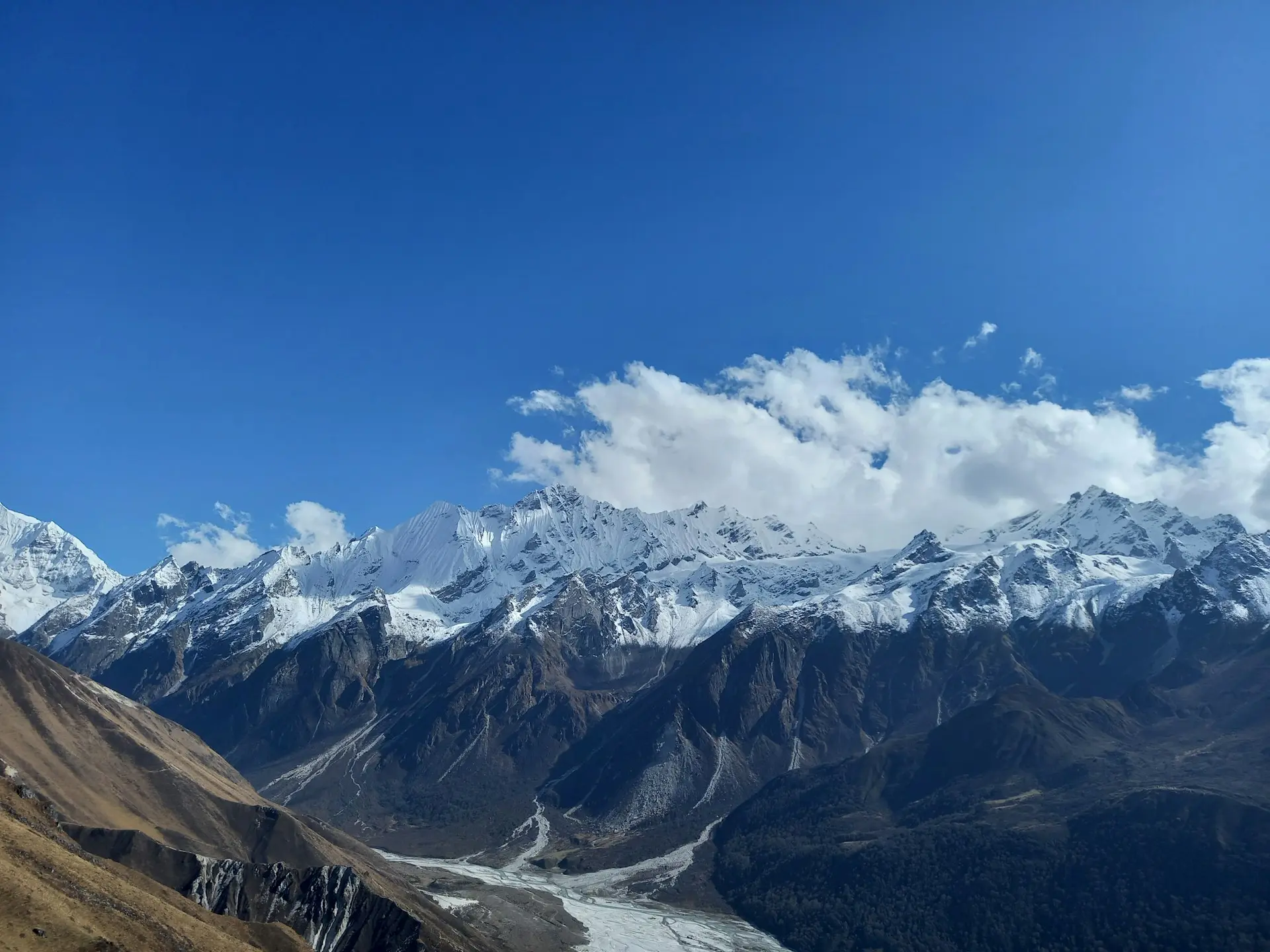
  • Stunning Himalayan views of Langtang Lirung, Dorje Lakpa, and Ganesh Himal
  • Easy access from Kathmandu (short drive to Syabrubesi)
  • Trek through Langtang National Park, rich in wildlife and biodiversity
  • Beautiful forests of rhododendron, pine, and bamboo
  • Authentic Tamang culture, villages, and monasteries
  • Visit Kyanjin Gompa (3,870m), the spiritual heart of Langtang
  • Optional hike to Tserko Ri (5,000m) for panoramic mountain views
  • Peaceful and less crowded trekking route in Nepal
  • Opportunity to see yaks, glaciers, and alpine landscapes up close
  • Ideal balance of adventure, culture, and natural beauty in a short trek

Overview

The Langtang Valley Trek is one of Nepal’s most scenic and culturally rich trekking experiences, located just north of Kathmandu within the Langtang National Park. This trek is famous for its combination of Himalayan landscapes, Tamang culture, glacial valleys, and close-up mountain views. With elevations ranging from around 1,400m in Kathmandu to 5,000m at Tserko Ri, the Langtang trekking route offers a perfect balance of adventure and accessibility.

Unlike extremely remote Himalayan expeditions, the Langtang trek in Nepal is moderately accessible yet still delivers a true mountain wilderness experience. Trekkers pass through dense rhododendron forests, bamboo groves, river valleys, and high alpine meadows. The region is home to wildlife such as red pandas, Himalayan monals, and langurs, making it a biodiversity hotspot.

Culturally, the Langtang Valley is deeply influenced by the Tamang community, whose traditions, monasteries, prayer flags, and stone-built villages add spiritual depth to the journey. Rebuilt after the 2015 earthquake, Langtang Village stands as a symbol of resilience and Himalayan hospitality.

  • Maximum altitude: 5,000m (Tserko Ri viewpoint)
  • Cultural immersion in Tamang heritage villages
  • Panoramic views of Langtang Lirung, Dorje Lakpa, and Ganesh Himal
  • Walk through the Langtang National Park biodiversity zone
  • Glacier and yak pasture landscapes near Kyanjin Gompa

The Langtang Valley Trekking experience offered by Holy Nepal Treks & Expedition ensures safe guidance, cultural insight, and well-organized logistics throughout the journey.

Langtang Valley Trek Overview

The Langtang Valley Trek is one of the most scenic and culturally rich Himalayan journeys in Nepal, offering a perfect balance of adventure, nature, and local heritage. Organized by Holy Nepal Treks & Expedition, this trek is designed for trekkers who want a short yet rewarding Himalayan experience close to Kathmandu. The route passes through Langtang National Park, traditional Tamang villages, lush forests, and high alpine landscapes reaching up to 5,000m at Tserko Ri.

This Langtang trekking route is ideal for both beginners and experienced trekkers due to its moderate difficulty level and gradual altitude gain. It provides breathtaking views of snow-capped peaks such as Langtang Lirung, Dorje Lakpa, and Ganesh Himal, along with cultural immersion in mountain communities.

Langtang Valley Trek Itinerary (Overview):

  • Day 1: Arrival in Kathmandu (1,400m)
  • Day 2: Drive to Syabrubesi (1,550m)
  • Day 3: Trek to Lama Hotel (2,380m)
  • Day 4: Trek to Langtang Village (3,430m)
  • Day 5: Trek to Kyanjin Gompa (3,870m)
  • Day 6: Hike to Tserko Ri (5,000m) and return
  • Day 7: Trek back to Lama Hotel (2,380m)
  • Day 8: Trek to Syabrubesi (1,550m)
  • Day 9: Drive back to Kathmandu (1,400m)

Key Highlights:

  • Maximum altitude: 5,000m (Tserko Ri viewpoint)
  • Cultural villages and Buddhist monasteries
  • Scenic forests, rivers, and glaciers
  • Easy access from Kathmandu
  • Best short Himalayan trekking experience

This structured Langtang Valley Trekking itinerary ensures safe acclimatization, making it one of the most recommended treks in Nepal by Holy Nepal Treks & Expedition.

Best Season for Langtang Valley Trek

The best season for Langtang Valley Trekking plays a major role in the overall experience of the journey. Weather conditions, visibility, and trail safety all depend on the season you choose. The Langtang trek in Nepal can technically be done year-round, but spring and autumn are widely considered the most favorable seasons.

Spring Season (March to May)

Spring is one of the most beautiful times for the Langtang Valley Trek. During this season, the forests come alive with blooming rhododendrons, and the weather remains warm and stable. The trekking trails are colorful, and the visibility of the mountains is generally excellent. This season is ideal for nature lovers and photographers.

Autumn Season (September to November)

Autumn is regarded as the best trekking season in Nepal. After the monsoon rains, the skies become crystal clear, offering breathtaking views of Himalayan peaks. This is the peak season for Langtang trekking due to stable weather, dry trails, and comfortable temperatures.

Other Seasons:

  • Winter (Dec–Feb): Cold temperatures, fewer crowds, snow at higher elevations
  • Monsoon (Jun–Aug): Heavy rain, slippery trails, lush greenery

Key Seasonal Highlights:

  • Best visibility: Autumn
  • Best landscapes: Spring
  • Quiet trekking experience: Winter
  • Least recommended: Monsoon

For the safest and most enjoyable Langtang Valley Trekking experience, Holy Nepal Treks & Expedition strongly recommends the spring and autumn seasons.

Langtang Valley Trek Difficulty and Transportation

The Langtang Valley Trek difficulty is classified as moderate, making it suitable for beginners with reasonable fitness levels as well as experienced trekkers. The maximum altitude of 5,000m at Tserko Ri requires proper acclimatization, but the gradual ascent reduces the risk of altitude sickness.

The trek involves walking through forests, stone steps, suspension bridges, and alpine terrain. Daily walking hours range between 3 and 8 hours, depending on the section. While no technical climbing skills are required, endurance and stamina are important for completing the Langtang trekking route comfortably.

Difficulty Factors:

  • Moderate altitude gain up to 5,000m
  • 5–8 hours of trekking per day
  • Rocky and uneven terrain in parts
  • Weather changes at higher elevations

Transportation Details:

The journey begins with a scenic drive from Kathmandu to Syabrubesi, which takes approximately 7–9 hours. The road passes through rivers, hills, and rural settlements, offering a beautiful introduction to the Langtang region. After completing the trek, the return journey follows the same route back to Kathmandu.

Transport Summary:

  • Kathmandu → Syabrubesi: Jeep/Bus
  • Syabrubesi → Kathmandu: Jeep/Bus return
  • Trekking sections: On foot only

With expert support from Holy Nepal Treks & Expedition, the Langtang trek in Nepal becomes safe, well-managed, and highly enjoyable for all levels of trekkers.

Food and Accommodation for Langtang Valley Trek

During the Langtang Valley Trekking journey, accommodation is provided in traditional teahouses operated by local mountain families. These lodges are simple yet warm and welcoming, offering trekkers a comfortable resting place after long trekking days.

Rooms are generally twin-sharing with basic bedding facilities. Bathrooms are mostly shared, and hot showers are available in lower elevations. As altitude increases, facilities become simpler but still adequate for a safe and comfortable stay.

Accommodation Features:

  • Teahouse lodges along the entire trekking route
  • Basic but clean and safe rooms
  • Shared dining halls with heating stoves
  • Friendly local hospitality

Food during the Langtang Valley Trek is freshly prepared and nutritious, designed to provide energy for long trekking days. The most popular dish is Dal Bhat, a traditional Nepali meal rich in carbohydrates and protein.

Food Options:

  • Dal Bhat (rice, lentils, vegetables)
  • Noodles, pasta, and soups
  • Fried rice and potatoes
  • Tea, coffee, and hot beverages
  • Breakfast items like eggs and pancakes

Key Highlights:

  • Freshly cooked meals in all teahouses
  • Vegetarian and vegan options available
  • Hygienic food preparation
  • Safe drinking water (boiled or bottled)

Holy Nepal Treks & Expedition ensures proper food quality and comfortable lodging throughout the Langtang trek in Nepal, making your journey safe and enjoyable.

Langtang Valley Trek Permits

The Langtang Valley Trek requires official trekking permits as it passes through the protected areas of Langtang National Park. These permits are essential for conservation, safety, and regulation of trekking activities in the region.

Required Permits:

  • Langtang National Park Entry Permit
  • TIMS Card (Trekkers’ Information Management System)

These permits are checked at various checkpoints along the Langtang trekking route, especially near Syabrubesi and park entry points. Without these documents, entry into the region is not allowed.

Important Information:

  • Mandatory for all trekkers
  • Issued in Kathmandu before trekking begins
  • Must be carried throughout the trek
  • Arranged easily through trekking agencies

Importance of Permits:

  • Supports conservation of wildlife and forests
  • Helps maintain trekking safety records
  • Contributes to local community development

With Holy Nepal Treks & Expedition, all permit arrangements are handled professionally in advance, ensuring a smooth and stress-free Langtang Valley Trekking experience.

Why Choose Langtang Valley Trek?

The Langtang Valley Trek is one of the best short Himalayan adventures in Nepal, offering stunning natural beauty, cultural richness, and easy accessibility from Kathmandu. It is perfect for trekkers looking for a less crowded yet highly rewarding trekking experience.

Unlike busier regions like Everest and Annapurna, the Langtang trekking route provides a peaceful environment where trekkers can enjoy nature and authentic mountain culture. The combination of forests, glaciers, rivers, and Tamang villages makes it a complete Himalayan journey.

Why Choose This Trek:

  • Close to Kathmandu (easy access)
  • Rich Tamang culture and traditions
  • Stunning Himalayan scenery
  • Less crowded trekking route
  • Ideal for beginners and experienced trekkers

Key Benefits:

  • 8–10 day short trekking adventure
  • Maximum altitude: 5,000m (Tserko Ri)
  • Diverse landscapes from forest to glacier
  • Safe and well-established trekking route

Choosing Holy Nepal Treks & Expedition ensures professional guidance, experienced local guides, and a well-organized Langtang Valley Trek package, making your journey safe, memorable, and truly rewarding.

Trip Itinerary

Upon your arrival at Tribhuvan International Airport in Kathmandu (1,300m), a representative from Holy Nepal Treks & Expedition will warmly welcome you and transfer you to your designated hotel in the city. Kathmandu, the vibrant capital of Nepal, offers a fascinating blend of cultural heritage, temples, and bustling streets. After check-in and some rest, you may explore nearby tourist areas or relax at the hotel. In the evening, a special welcome dinner will be hosted by the company, introducing you to the trekking team and briefing you about the upcoming Langtang Valley adventure.

Max Altitude

1,400m / 4,593 ft

Accommodation

3-star hotel in Kathmandu

Meals

Welcome Dinner

Place

Kathmandu

After an early breakfast at the hotel, the journey begins with a scenic drive from Kathmandu to Syabrubesi (1,550m), the gateway to the Langtang region. The road winds through hills, rivers, terraced fields, and charming rural settlements, offering breathtaking views of the Trishuli River valley. The drive takes approximately 7–8 hours, depending on road conditions. Syabrubesi is a small mountain village surrounded by lush green hills and Himalayan landscapes. Upon arrival, you will check into a local teahouse or lodge arranged by Holy Nepal Treks & Expedition.

Max Altitude

1,550m / 5,085 ft

Accommodation

Teahouse in Syabrubesi

Meals

Breakfast, Lunch, Dinner

Place

Syabrubesi

Today marks your first trekking day after breakfast at Syabrubesi. The trail begins along the Langtang Khola (river), passing through dense rhododendron and bamboo forests, suspension bridges, and occasional wildlife sightings such as monkeys and birds. Gradually ascending, you will reach Lama Hotel at an altitude of 2,380m after around 6 hours of trekking. The peaceful forest surroundings make it a perfect overnight stop. Accommodation will be in a cozy mountain teahouse with basic but comfortable facilities.
Max Altitude

2,380m / 7,808 ft

Accommodation

Hotel in Lama Hotel

Meals

Breakfast, Lunch, Dinner

Place

Lama Hotel

After breakfast, the trek continues uphill towards Langtang Village (3,430m). The trail gradually ascends through alpine forests, waterfalls, and open valleys, revealing stunning Himalayan views along the way. As you gain altitude, the vegetation becomes thinner and the scenery more dramatic. Langtang Village is a culturally rich settlement rebuilt after the 2015 earthquake, offering insight into local Tamang traditions. The trekking duration is approximately 7 hours. You will stay in a mountain teahouse with warm hospitality.

Max Altitude

3,430m / 11,253 ft

Accommodation

Teahouse in Langtang

Meals

Breakfast, Lunch, Dinner

Place

Langtang

Today’s trek is shorter but highly scenic as you ascend to Kyanjin Gompa (3,870m), the spiritual and cultural heart of the Langtang Valley. The trail passes through yak pastures, mani walls, prayer flags, and small settlements with panoramic mountain views. After approximately 3 hours of gentle ascent, you will reach Kyanjin Gompa, surrounded by snow-capped peaks including Langtang Lirung. After lunch, you can explore the monastery or visit the local cheese factory. Accommodation is in a well-managed teahouse or lodge.

Max Altitude

3,870m / 12,697 ft

Accommodation

Teahouse in Kyanjin

Meals

Breakfast, Lunch, Dinner

Place

Kyanjin

This is the most challenging and rewarding day of the trek. Early morning, after breakfast, you will hike to Tserko Ri (5,000m), the highest viewpoint of the Langtang region. The steep ascent takes around 4–5 hours, offering spectacular 360-degree views of Himalayan peaks such as Langtang Lirung, Dorje Lakpa, and Ganesh Himal. After spending time at the summit, you will descend back to Kyanjin Gompa. The total duration is 8–9 hours. Accommodation remains at the same lodge in Kyanjin Gompa.

Max Altitude

5,000m / 16,404 ft

Accommodation

Teahouse in Kyanjin

Meals

Breakfast, Lunch, Dinner

Place

Kyanjin

After breakfast, you begin your descent back towards Lama Hotel, retracing the same scenic trail through alpine landscapes and forests. Although descending is easier, it requires careful walking due to the long distance and steep sections. The journey takes approximately 6–7 hours. As you lose altitude, oxygen levels improve, and the environment becomes warmer and greener. Upon arrival at Lama Hotel, you will stay overnight in a familiar teahouse with basic mountain comfort.

Max Altitude

2,380m / 7,808 ft

Accommodation

Hotel in Lama Hotel

Meals

Breakfast, Lunch, Dinner

Place

Lama Hotel

Today is the final trekking day as you descend further down to Syabrubesi (1,550m). After breakfast, the trail leads through lush forests, riverside paths, and small settlements, offering a relaxed trekking experience compared to earlier days. The walk takes around 6–7 hours. You will feel the climate becoming warmer as you approach lower altitude regions. Syabrubesi welcomes you with local hospitality and a peaceful environment. Accommodation will be in a comfortable teahouse or lodge.

Max Altitude

1,550m / 5,085 ft

Accommodation

Teahouse in Syabrubesi

Meals

Breakfast, Lunch, Dinner

Place

Syabrubesi

After breakfast, you will drive back to Kathmandu, enjoying the scenic countryside views, rivers, and terraced hills along the way. The journey takes approximately 8–9 hours, depending on road conditions. Upon arrival in Kathmandu (1,380m), you will check into your hotel and relax after the long drive. In the evening, Holy Nepal Treks & Expedition hosts a special farewell dinner to celebrate the successful completion of your Langtang Valley Trek.

Max Altitude

1,400m / 4,593 ft

Accommodation

3-star hotel in Kathmandu

Meals

Breakfast, Lunch, Farewell Dinner

Place

Kathmandu

After breakfast at your hotel, your incredible journey with Holy Nepal Treks & Expedition officially comes to an end. Depending on your flight schedule, you will be transferred to Tribhuvan International Airport for your onward journey. Our representative will assist you with departure arrangements and bid you a warm farewell. This marks the completion of your unforgettable Langtang Valley Trek experience filled with mountains, culture, adventure, and natural beauty. We hope to welcome you again for future Himalayan adventures in Nepal.

Max Altitude

1,400m / 4,593 ft

Accommodation

NA

Meals

Breakfast

Place

Kathmandu

Not satisfied with this itinerary? Make your own.
Plan My Trip

Trip Includes

  • Airport transfers in Kathmandu.
  • 3-star hotel accommodation in Kathmandu with breakfast
  • All ground transportation as per the itinerary.
  • Langtang National Park entry permits and TIMS card
  • Teahouse/lodge accommodation during the trek
  • All meals (breakfast, lunch, dinner) during the trek.
  • Experienced, English-speaking trek guide.
  • Porters to carry luggage (1 per 2 trekkers).
  • Welcome and farewell dinners in Kathmandu.
  • First aid kit and necessary arrangements support
  • International airfare to/from Nepal
  • Nepal entry visa fees
  • Personal Expenses (Snacks, Drinks, etc.)
  • Personal travel insurance
  • Personal trekking equipment and gear
  • Tips for Guides and Porters
  • Emergency evacuation (if required)
  • Any expenses not mentioned in the “Includes” section
10
Days
Starting From
US$ 0

Equipment & Packing List

Short description: Layered clothing is essential to stay warm, dry, and comfortable as the weather changes quickly in the Himalayas.

  • Thermal base layers (top & bottom) – warmth in cold conditions
  • Quick-dry trekking t-shirts – sweat control
  • Fleece jacket – mid-level insulation
  • Down jacket – essential for cold nights
  • Waterproof/windproof jacket – weather protection
  • Trekking pants – light + insulated pair recommended
  • Waterproof pants – for rain/snow
  • Warm hat, sun hat, buff – head & neck protection
  • Gloves (inner + insulated) – cold protection
  • Wool trekking socks (4–5 pairs) – warmth & comfort

Short description: Strong footwear and support gear ensure safety on rocky and uneven Himalayan trails.

  • Trekking boots (well broken-in) – ankle support & grip
  • Camp shoes/sandals – relaxation after trekking
  • Gaiters – protection from snow, dust, and mud
  • Trekking poles – balance & knee support
  • Microspikes (optional) – extra grip on icy trails

Short description: Essential trekking gear helps manage altitude, weather, and long walking days.

  • 40–50L backpack with rain cover – daily essentials
  • Sleeping bag (–15°C to –20°C) – cold night protection
  • Headlamp + extra batteries – night use
  • Water bottles/hydration system (2L) – hydration
  • Water purifier tablets/filter – safe drinking water
  • UV sunglasses (UV400) – eye protection
  • Dry bags – protect valuables from moisture
  • Power bank + phone/camera – limited charging access

Short description: Basic hygiene and health items are important for comfort in remote trekking areas.

  • Sunscreen (SPF 50+) & lip balm – UV protection
  • Personal medicines – altitude & basic health care
  • First aid kit – minor injuries & blisters
  • Hand sanitizer & wet wipes – hygiene support
  • Quick-dry towel – lightweight use
  • Moisturizer – prevents dry skin

Short description: Important travel documents and essentials ensure a smooth and stress-free trek.

  • Passport & trekking permits – required checkpoints
  • Travel insurance – must cover high-altitude trekking
  • Nepalese cash – for personal expenses
  • Energy bars/snacks – quick energy boost
  • Notebook or diary – memory keeping
  • Book or Kindle – leisure during rest time

Frequently Asked Questions

The Langtang Valley Trek is one of Nepal’s most beautiful Himalayan trekking routes, located close to Kathmandu. It is popular for its stunning mountain scenery, rich Tamang culture, glaciers, and peaceful trails compared to Everest or Annapurna. The trek offers a perfect mix of adventure and cultural experience, making it ideal for beginners and experienced trekkers. With Holy Nepal Treks & Expedition, trekkers can enjoy a well-organized Langtang trekking experience with expert guidance, comfortable accommodation, and authentic local hospitality throughout the journey.

The Langtang Valley is located in the Rasuwa district of Nepal, north of Kathmandu near the Tibetan border. It lies within the Langtang National Park and is one of the closest Himalayan trekking regions from the capital city. The Langtang trekking region is known for its snow-covered peaks, lush forests, and traditional Tamang villages. The proximity makes Langtang Valley Trek a perfect short Himalayan adventure arranged by Holy Nepal Treks & Expedition for travelers seeking nature and culture in a limited time frame.

The Langtang Valley Trek in Nepal is considered a moderate-level trekking route suitable for beginners with basic fitness. The trail includes daily walking of 5–7 hours with gradual ascents and some steep sections. Altitude gain reaches up to 5,000 meters at Tserko Ri viewpoint, which requires proper acclimatization. However, compared to other high-altitude treks, Langtang trekking is less technical and more accessible. With proper guidance from Holy Nepal Treks & Expedition, trekkers can complete the journey safely and comfortably.

Yes, altitude sickness can occur during the Langtang Valley Trekking route, especially above 3,000 meters. Symptoms include headache, dizziness, and fatigue. Proper acclimatization, hydration, and slow ascent are important to prevent it. The highest point, Tserko Ri (5,000m), requires caution. Holy Nepal Treks & Expedition ensures safe pacing and professional guidance to minimize risks during Langtang trekking.

Yes, mobile networks and limited Wi-Fi are available in some villages along the Langtang Valley Trek. However, connectivity becomes weaker at higher altitudes. Internet access may be slow and costly. Trekkers are advised to stay prepared for limited communication during the Langtang trek. Holy Nepal Treks & Expedition recommends enjoying the digital detox and natural beauty during the journey.

The Langtang Valley Trek in Nepal requires moderate fitness. Regular walking, cardio exercise, and stamina preparation are helpful before the trek. While it is not extremely difficult, daily hiking for several hours is required. With proper preparation and support from Holy Nepal Treks & Expedition, most trekkers can complete the Langtang trekking route.

The Langtang Valley Trekking experience offers deep insight into Tamang culture, monasteries, and traditional mountain lifestyle. Villages along the route reflect Tibetan-influenced heritage with prayer flags, mani walls, and warm hospitality. Trekkers experience authentic Himalayan life during the Langtang trekking journey. Holy Nepal Treks & Expedition helps travelers connect with local culture respectfully and meaningfully.

For the Langtang Valley Trekking experience, proper packing is essential due to changing weather conditions. You should carry layered clothing, including thermal wear, fleece jackets, and a down jacket. Trekking boots, gloves, hats, and socks are necessary for comfort. A backpack, sleeping bag, sunglasses, and trekking poles are also important. Essential gear helps ensure safety and comfort during the Langtang trek in Nepal. Holy Nepal Treks & Expedition provides detailed packing lists and guidance to ensure trekkers are fully prepared.

Yes, trekking poles are highly recommended for the Langtang Valley Trek as they provide balance and reduce pressure on knees, especially during uphill and downhill sections. The Langtang trekking trail includes rocky paths and forested areas where poles significantly improve stability. Even beginners find trekking poles helpful for long walking days. With Holy Nepal Treks & Expedition, trekkers are advised on the best equipment to carry for a safe and comfortable Langtang trekking experience.

During the Langtang Valley Trekking route, accommodation is mainly in local teahouses and lodges. Rooms are simple, usually twin-sharing, with basic facilities such as beds, blankets, and shared bathrooms. At higher altitudes, accommodation becomes more basic but still comfortable enough for trekkers. The hospitality of local people makes the stay warm and welcoming. Holy Nepal Treks & Expedition ensures clean, safe, and reliable accommodation throughout the Langtang trekking journey.

During the Langtang Valley Trek, trekkers receive three meals daily: breakfast, lunch, and dinner. Meals usually include traditional Nepali food like dal bhat, noodles, soups, pasta, and rice dishes. Energy-rich meals are served to support long trekking hours. Vegetarian options are widely available along the Langtang trekking route. With Holy Nepal Treks & Expedition, hygienic and freshly prepared meals are arranged in local teahouses to ensure proper nutrition during the trek.

Drinking water is available at teahouses along the Langtang Valley Trekking route, but it is recommended to use purification tablets or filters. Bottled water is also available, but more expensive at higher altitudes. Staying hydrated is very important for acclimatization. Holy Nepal Treks & Expedition advises safe drinking practices during the Langtang trek in Nepal.

The best time for the Langtang Valley Trek in Nepal is spring (March–May) and autumn (September–November). During these seasons, the weather is clear, stable, and ideal for mountain views. Spring offers blooming rhododendrons, while autumn provides crystal-clear skies. Winter is cold but possible for experienced trekkers, while the monsoon season brings heavy rain. Holy Nepal Treks & Expedition recommends spring and autumn for the best Langtang trekking experience.

The temperature during the Langtang Valley Trekking route varies depending on altitude and season. Lower regions are moderate, but higher areas like Kyanjin Gompa and Tserko Ri can drop below freezing, especially at night. In winter, temperatures may fall to -10°C or lower. Proper layering is essential for comfort. Holy Nepal Treks & Expedition advises trekkers to carry warm clothing to handle cold conditions during the Langtang trek in Nepal.

While the Langtang Valley Trek can be done independently, hiring a guide is highly recommended for safety, navigation, and cultural understanding. A licensed guide ensures smooth trekking, assists in emergencies, and provides insights into local culture and nature. With Holy Nepal Treks & Expedition, experienced guides make the Langtang trekking experience more informative, safe, and enjoyable for all trekkers.

Yes, the Langtang Valley Trek in Nepal is generally safe for solo travelers, especially when arranged through a trusted company. The trail is well-marked and passes through friendly villages. However, altitude sickness and weather changes require caution. Traveling with a guide or group improves safety. Holy Nepal Treks & Expedition ensures secure arrangements, making the Langtang trek safe for solo and international travelers.

In case of emergencies such as altitude sickness or injury during the Langtang Valley Trek, evacuation services like helicopter rescue can be arranged. Travel insurance is essential for such situations. Guides from Holy Nepal Treks & Expedition are trained in first aid and emergency response to ensure trekkers’ safety throughout the Langtang trekking journey.

To complete the Langtang Valley Trek, trekkers need two permits: Langtang National Park Entry Permit and TIMS (Trekkers’ Information Management System) Card. These permits are checked at various points along the Langtang trekking route. Without them, entry is not allowed. Holy Nepal Treks & Expedition manages all necessary trekking permits for a hassle-free experience.

The cost of the Langtang Valley Trekking package depends on services, group size, and duration. On average, it includes transportation, permits, accommodation, meals, and guide services. Budget-friendly options are available for trekkers seeking affordable Langtang trekking in Nepal. Holy Nepal Treks & Expedition offers competitive pricing with high-quality service and experienced guides.

Yes, it is highly recommended to book the Langtang Valley Trek in advance, especially during peak seasons like spring and autumn. Early booking ensures better accommodation, guide availability, and smooth arrangements. Holy Nepal Treks & Expedition provides easy online booking options and customized Langtang trekking packages for travelers worldwide.

Similar Trips

Visa Mastercard UnionPay American Express

We value your privacy
We use cookies to make your trip planning smoother and improve our services. Learn more