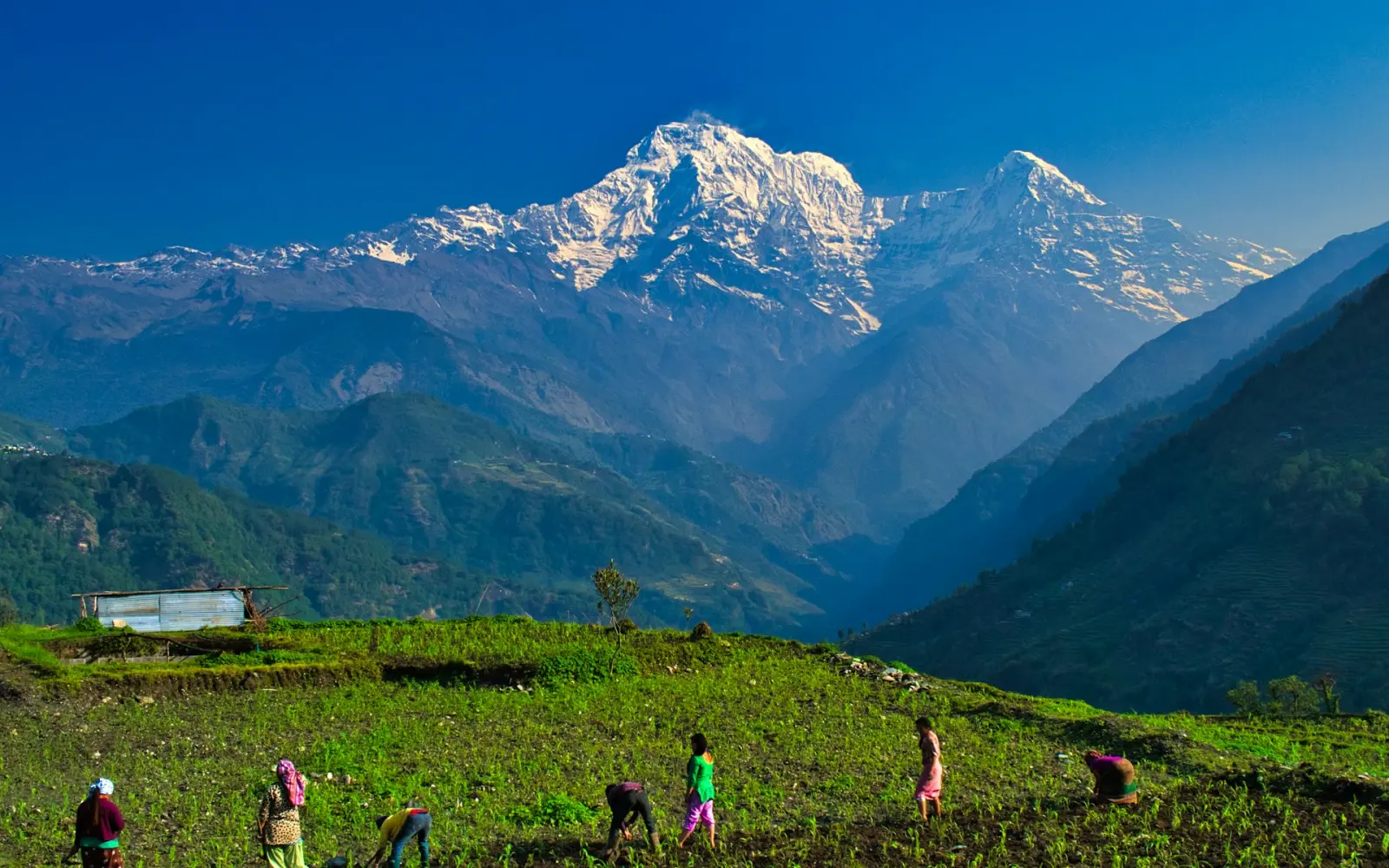
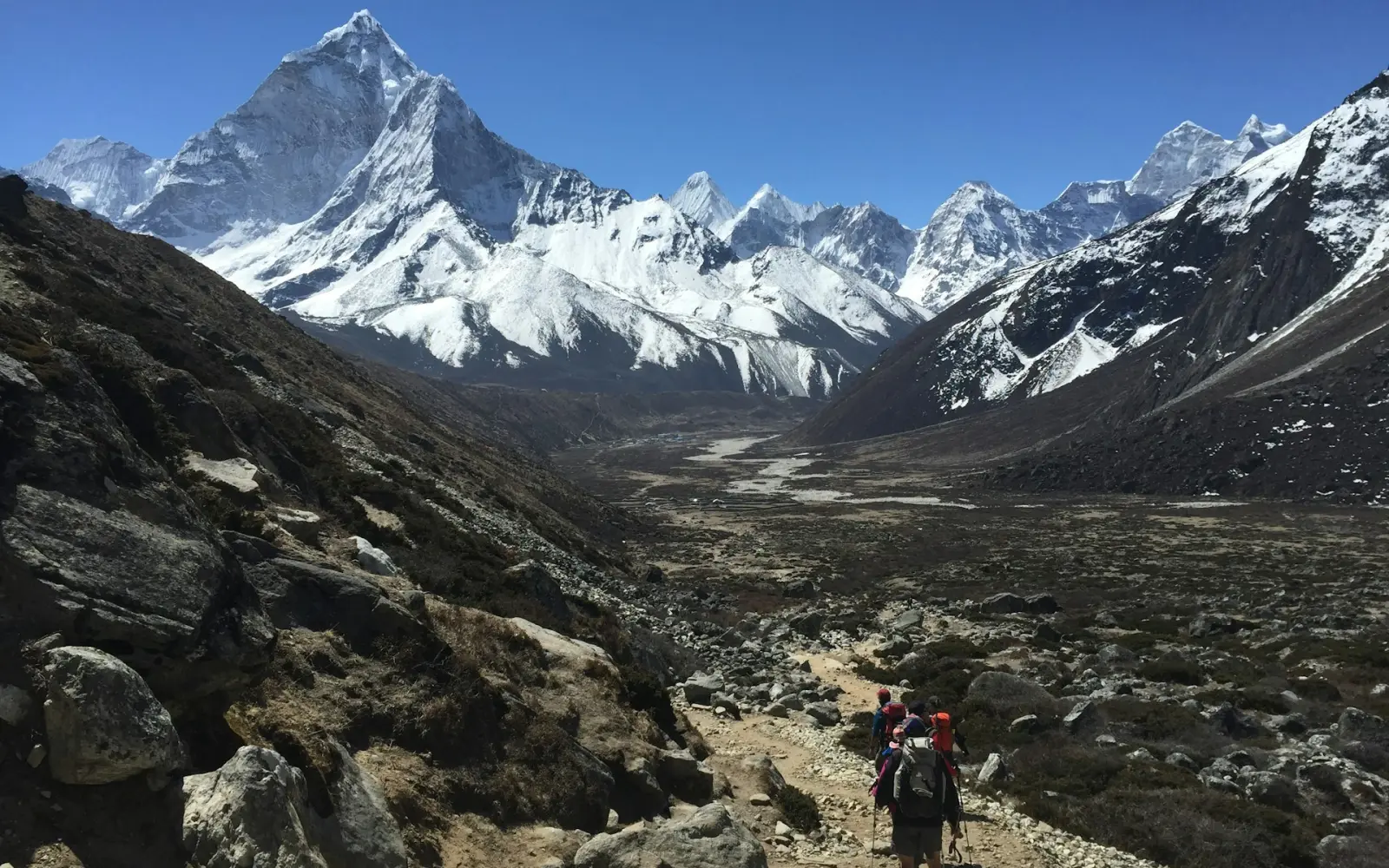
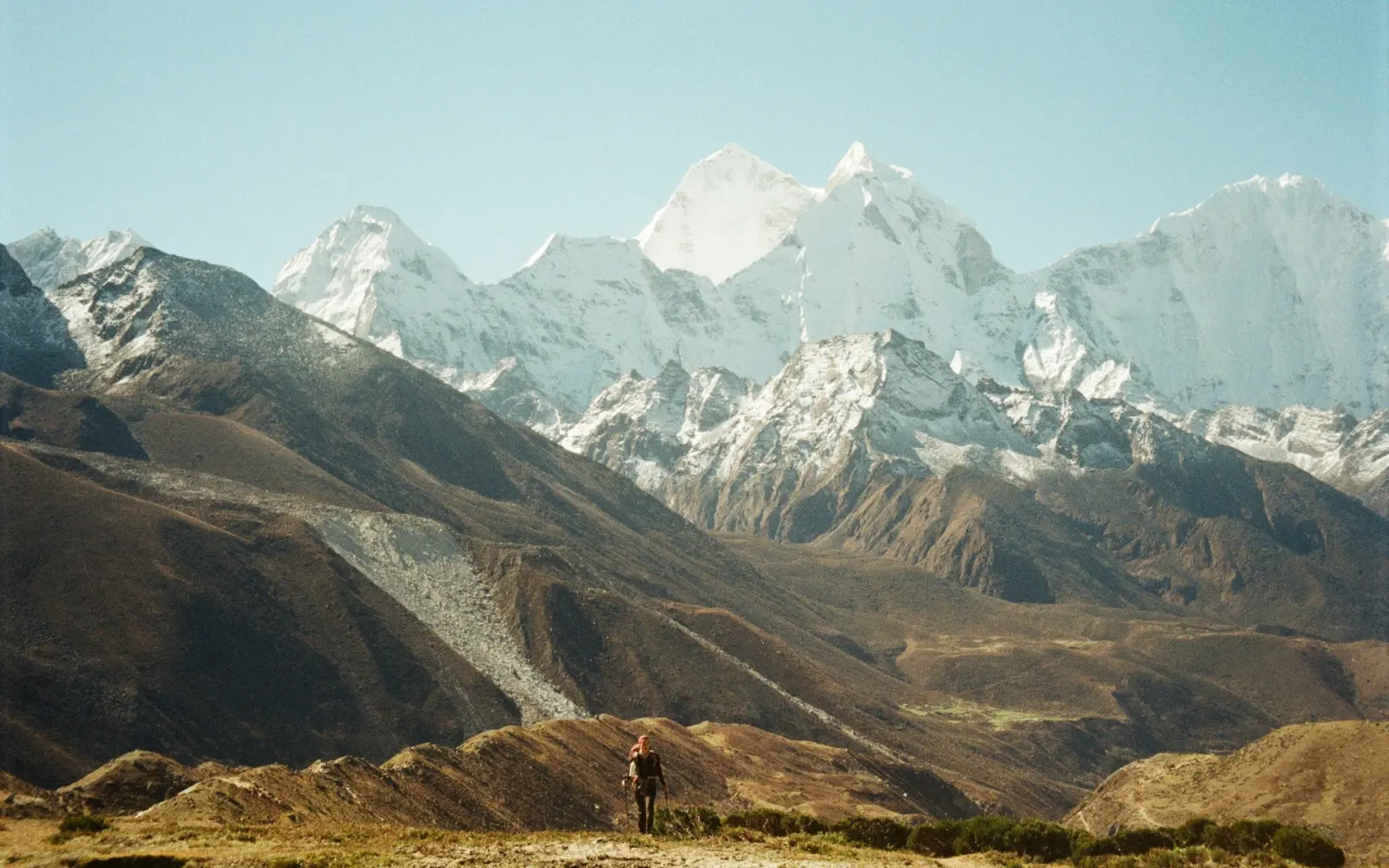
Trekking in Nepal is one of the most rewarding adventure experiences in the world, attracting thousands of travelers every year. From the towering Himalayas to peaceful mountain villages, Nepal offers trails suitable for beginners as well as experienced trekkers. This guide by Holy Nepal Treks & Expedition is designed to help first-time trekkers understand everything they need before starting their journey.
For beginners, trekking in Nepal may seem challenging at first, but with proper planning, guidance, and preparation, it becomes a safe and life-changing adventure. Whether you choose short scenic treks or longer Himalayan routes, Nepal ensures breathtaking views, cultural encounters, and unforgettable memories.
Key Highlights:
- Nepal offers beginner-friendly trekking routes
- No advanced climbing skills required for most treks
- Professional guides ensure safety and comfort
- Perfect blend of nature, culture, and adventure
- Suitable for solo, group, and family travelers
Introduction: Why Trekking in Nepal Is a Bucket-List Experience
Trekking in Nepal is not just a journey through mountains—it is a journey through culture, spirituality, and natural beauty. The Himalayas, including the world’s highest peak, Mount Everest, make Nepal a dream destination for adventure lovers. Every trail offers stunning landscapes, ancient monasteries, and warm hospitality from local communities.
With Holy Nepal Treks & Expedition, beginners can explore Nepal with confidence and ease. Our guided treks ensure you experience the beauty of the Himalayas while staying safe and well-supported throughout your journey.
Nepal’s trekking routes are unique because they combine adventure with cultural immersion. You will walk through traditional villages, experience local festivals, and witness lifestyles that have remained unchanged for centuries.
Key Highlights:
- Home to Mount Everest and the Himalayas
- Rich cultural and spiritual experiences
- Diverse trekking routes for all levels
- Friendly local communities
- Guided trekking ensures safety and ease
Why Nepal Is the World’s Trekking Capital
Nepal is widely known as the “Trekking Capital of the World” due to its unmatched mountain landscapes and variety of trekking routes. From easy trails like Ghorepani Poon Hill to challenging expeditions like Everest Base Camp, Nepal offers something for everyone.
One of the main reasons Nepal stands out is its geographical diversity. Within a short distance, trekkers experience lush forests, alpine meadows, high mountain passes, and glacier views. Combined with the rich Sherpa, Tamang, and Gurung cultures, trekking becomes a deeply enriching experience.
At Holy Nepal Treks & Expedition, we provide well-organized trekking packages that allow beginners to explore Nepal’s top trekking destinations without stress. Our experienced guides help ensure smooth navigation and cultural understanding along the way.
Key Highlights:
- Wide range of trekking difficulty levels
- Stunning Himalayan landscapes
- Cultural diversity along trekking routes
- Affordable trekking packages available
- Professional guides and porter support
Best Time to Go Trekking in Nepal
Choosing the right season is very important for a successful trekking experience in Nepal. The two best trekking seasons are spring (March to May) and autumn (September to November). During these months, the weather is stable, the skies are clear, and mountain views are at their best.
Spring brings blooming rhododendrons and colorful landscapes, while autumn offers crisp air and excellent visibility of the Himalayas. Winter and monsoon seasons are less preferred for beginners due to heavy snow or rain, but some lower-altitude treks are still possible.
Holy Nepal Treks & Expedition always recommends planning your trek based on your fitness level, destination, and preferred weather conditions. Our team helps you choose the perfect season for a safe and enjoyable trekking experience.
Key Highlights:
- Spring (March–May): Best for flowers and mild weather
- Autumn (Sept–Nov): Best mountain visibility
- Winter (Dec–Feb): Cold but less crowded trails
- Monsoon (June–Aug): Rainy, limited trekking options
- Ideal seasons ensure safety and clear views
Top Beginner-Friendly Treks in Nepal
Nepal is home to some of the most iconic trekking routes in the world, and many of them are perfect for beginners. These treks do not require technical climbing skills but still offer breathtaking Himalayan views, cultural experiences, and unforgettable landscapes. With proper guidance from Holy Nepal Treks & Expedition, even first-time trekkers can confidently explore these trails.
Featured Trips
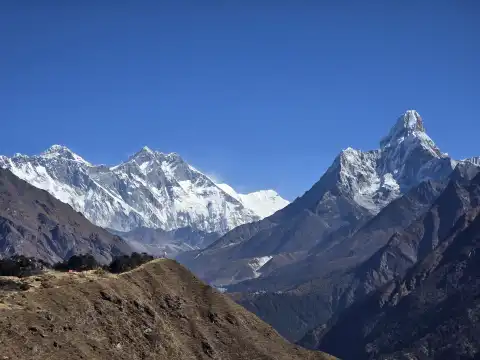
Everest Base Camp Trek - 14 Days
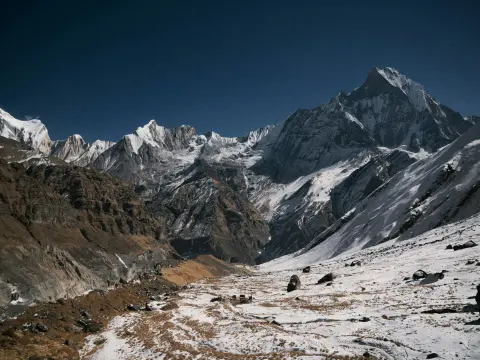
Annapurna Base Camp Trek - 12 Days
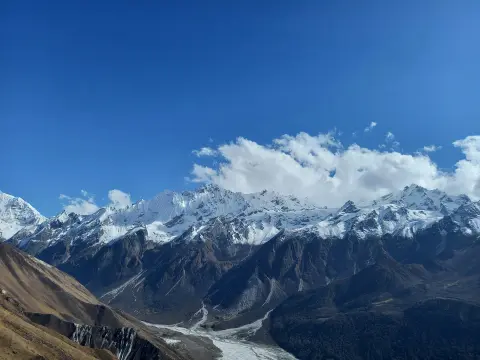
Langtang Valley Trek - 10 Days
Beginner-friendly treks are generally shorter in duration, lower in altitude compared to extreme expeditions, and have well-established tea house accommodations. This makes them ideal for travelers who want to experience the Himalayas without extreme physical strain.
Everest View Trek
The Everest View Trek is one of the best short treks in the Everest region, offering stunning views of Mount Everest without reaching extreme altitudes. This trek is ideal for beginners who want to experience the Everest region comfortably.
With gradual trails and cultural Sherpa villages, trekkers can enjoy both natural beauty and Himalayan hospitality. The highlight is reaching viewpoints like Namche Bazaar and Tengboche Monastery.
Key Highlights:
- Close-up views of Mount Everest
- Suitable for beginners with moderate fitness
- Rich Sherpa culture and monasteries
- Short duration trek (5–7 days approx.)
- Comfortable tea house accommodation
Ghorepani Poon Hill Trek
The Ghorepani Poon Hill Trek is one of Nepal’s most popular short treks. It is famous for its sunrise view over the Annapurna and Dhaulagiri ranges, making it perfect for beginner trekkers.
The trail passes through rhododendron forests, charming villages, and terraced farmlands. It is relatively easy and can be completed in a few days.
Key Highlights:
- Famous sunrise view from Poon Hill
- Easy and beginner-friendly trail
- Beautiful forests and Gurung villages
- Short trekking duration (4–5 days)
- No high altitude risk
Langtang Valley Trek
The Langtang Valley Trek is a scenic journey close to Kathmandu, making it accessible for beginners. It offers a mix of mountain scenery, glaciers, and cultural experiences.
Trekkers pass through Langtang National Park, home to diverse wildlife and traditional Tamang communities. The trail is less crowded compared to the Everest or Annapurna regions.
Key Highlights:
- Close to Kathmandu (easy access)
- Rich Tamang culture and traditions
- Beautiful glacier and mountain views
- Moderate difficulty level
- Less crowded trekking route
Mardi Himal Trek
The Mardi Himal Trek is a hidden gem in the Annapurna region, ideal for beginners who want a peaceful trekking experience. The trail offers close views of Machhapuchhre (Fishtail Mountain).
This trek is relatively short but provides dramatic landscapes, including forests, ridges, and high mountain views. It is becoming increasingly popular among first-time trekkers.
Key Highlights:
- Stunning close-up views of Machhapuchhre
- Less crowded and peaceful trail
- Short and moderate difficulty trek
- Great for photography and nature lovers
- Tea house accommodation available
How Difficult Is Trekking in Nepal? Understanding Fitness Levels
Trekking in Nepal varies from very easy to extremely challenging, depending on the route. For beginners, many treks are designed with moderate walking hours and manageable altitude gain. With proper pacing and preparation, most healthy individuals can complete beginner treks successfully.
The difficulty of trekking depends on altitude, distance, terrain, and weather conditions. Some treks involve steep climbs, while others are more gradual and comfortable. Holy Nepal Treks & Expedition always helps trekkers choose routes that match their fitness level.
In general, trekking in Nepal is more about endurance than speed. Regular walking, light exercise, and mental preparation can significantly improve your trekking experience.
Key Points:
- Beginner treks are generally moderate in difficulty
- Average walking: 4–6 hours per day
- Altitude sickness can affect higher treks
- Fitness level improves trekking experience
- Proper guide support reduces difficulty
Fitness Level Breakdown:
- Easy Treks: Short walks, low altitude (Poon Hill, Everest View)
- Moderate Treks: Longer walks, medium altitude (Langtang, Mardi Himal)
- Challenging Treks: High altitude, steep terrain (Everest Base Camp, Annapurna Circuit)
Essential Permits Required for Trekking in Nepal
Before starting any trek in Nepal, obtaining the required permits is mandatory. These permits help regulate tourism, ensure safety, and support conservation efforts in trekking regions. Holy Nepal Treks & Expedition assists trekkers in arranging all necessary permits hassle-free.
Different trekking regions require different permits, and the cost may vary depending on the destination. Most popular trekking routes require both conservation area permits and TIMS cards.
Without proper permits, entry into national parks and restricted areas is not allowed. Therefore, it is important to prepare all documents before beginning your journey.
Key Permits Required:
- TIMS Card (Trekkers’ Information Management System)
- Annapurna Conservation Area Permit (ACAP)
- Sagarmatha National Park Permit (for the Everest region)
- Langtang National Park Permit
- Restricted Area Permit (for special regions)
Important Notes:
- Permits are checked at multiple checkpoints
- Costs vary by trekking region
- Required for both solo and group trekkers
- Guides can help arrange permits easily
- Illegal trekking without permits is not allowed
Packing List for Beginners: What to Bring for a Nepal Trek
Packing properly is one of the most important parts of preparing for a trek in Nepal. Beginners often overpack or underpack, which can make the journey uncomfortable. A well-planned packing list ensures safety, comfort, and ease while trekking in the Himalayas. Holy Nepal Treks & Expedition always recommends carrying lightweight, layered, and essential gear.
Since weather conditions in the mountains can change quickly, trekkers should be prepared for both warm and cold temperatures. Keeping your backpack light but functional is the key to an enjoyable trekking experience.
Essential Packing List:
- Comfortable trekking boots (well broken-in)
- Warm layered clothing (thermal, fleece, jacket)
- Waterproof jacket and pants
- Backpack (30–50 liters recommended)
- Sleeping bag (seasonal rating)
- Trekking poles for stability
- Sunglasses, sunscreen, and a hat
- Personal first aid kit and medicines
- Reusable water bottle or hydration system
Key Tips:
- Pack light to reduce fatigue
- Use moisture-wicking clothing layers
- Avoid unnecessary luxury items
- Carry rain protection year-round
- Always keep essentials in your daypack
Choosing Between Guided Treks vs Independent Trekking
One of the biggest decisions for beginners is whether to trek independently or with a guide. While independent trekking offers flexibility, guided trekking provides safety, local knowledge, and a stress-free travel experience. Holy Nepal Treks & Expedition strongly recommends guided treks for beginners, especially in high-altitude regions.
Guided treks are becoming more popular in Nepal due to improved safety regulations and better cultural experiences. Guides not only help with navigation but also provide insight into local traditions, geography, and mountain safety.
Guided Trek Benefits:
- Professional navigation and safety support
- Assistance with permits and logistics
- Cultural interpretation and local insights
- Emergency support in remote areas
- Porter service for carrying luggage
Independent Trekking Considerations:
- Full freedom and flexible schedule
- Requires strong navigation skills
- Responsible for permits and planning
- No guaranteed emergency support
- Better suited for experienced trekkers
Key Advice:
- Beginners should choose guided trekking
- Solo trekking requires experience and preparation
- Guided tours enhance safety and enjoyment
- Local guides enrich cultural understanding
Accommodation on the Trail: Tea Houses Explained
Tea houses are the most common form of accommodation during trekking in Nepal. These are small mountain lodges run by local families, offering basic but comfortable lodging and meals. They provide trekkers with a warm place to rest after long hiking days. Holy Nepal Treks & Expedition ensures clients stay in clean and reliable tea houses throughout their journey.
Tea houses vary depending on the region and altitude. In lower regions, facilities are more developed, while higher altitudes offer simpler accommodation. Despite their simplicity, tea houses provide everything a trekker needs for a safe and cozy stay.
Tea House Features:
- Basic private or shared rooms
- Communal dining area with heating
- Traditional Nepali meals available
- Limited but comfortable facilities
- Friendly local hospitality
Important Tips:
- Rooms are usually unheated
- Hot showers may cost extra
- Booking ahead during peak season is recommended
- Carry cash as card payment is not available
- Expect simple but clean facilities
Key Highlights:
- Affordable accommodation option
- Cultural interaction with locals
- Available on most trekking routes
- No need for camping equipment
- Ideal for beginner trekkers
Food and Water on Trekking Routes in Nepal
Food on trekking routes in Nepal is surprisingly diverse and energizing, designed to keep trekkers strong during long walking days. Tea houses serve freshly cooked meals, with popular dishes like Dal Bhat, noodles, soups, and momos. Holy Nepal Treks & Expedition ensures trekkers have access to hygienic and nutritious meals throughout the journey.
Hydration is equally important while trekking, especially at higher altitudes. Clean drinking water is available at tea houses, but it should always be treated or filtered for safety. Staying hydrated helps prevent altitude sickness and fatigue.
Common Trekking Foods:
- Dal Bhat (rice, lentils, vegetables)
- Noodles and pasta dishes
- Fried rice and potatoes
- Tibetan bread and pancakes
- Soups (garlic soup is popular at altitude)
Drinking Water Tips:
- Use boiled or filtered water
- Carry purification tablets or filters
- Avoid untreated tap or stream water
- Drink regularly to stay hydrated
- Refill bottles at tea houses
Key Points:
- Freshly cooked meals available along trails
- Vegetarian options widely available
- Food becomes simpler at higher altitudes
- Hydration is critical for trekking safety
- Carry snacks like energy bars and nuts
Cost of Trekking in Nepal: Budget Breakdown for Beginners
The cost of trekking in Nepal varies depending on the route, duration, level of comfort, and whether you choose a guided or independent trek. For beginners, Nepal is considered one of the most affordable trekking destinations in the world. With Holy Nepal Treks & Expedition, trekkers can choose budget-friendly packages without compromising safety and experience.
On average, trekking costs include permits, accommodation, food, transportation, guide/porter fees, and personal gear. Short treks like Ghorepani Poon Hill are more affordable, while longer treks like Everest Base Camp require a higher budget due to duration and logistics.
Estimated Trekking Cost Breakdown:
- Trek permits: $20 – $50 depending on region
- Guide cost: $25 – $35 per day
- Porter cost: $15 – $25 per day
- Food and accommodation: $25 – $40 per day
- Transportation: $50 – $150 (depending on route)
- Gear rental/purchase: variable cost
Key Budget Tips:
- Choose group trekking to reduce cost
- Book through a registered company like Holy Nepal Treks & Expedition
- Carry extra cash for personal expenses
- Avoid peak-season price hikes when possible
- Rent gear instead of buying for short treks
Altitude Sickness: What You Need to Know and How to Prevent It
Altitude sickness is one of the most important health concerns while trekking in Nepal, especially above 2,500 meters. It occurs when the body cannot adjust quickly to lower oxygen levels at higher elevations. Symptoms can range from mild headaches to serious health risks if ignored. Holy Nepal Treks & Expedition prioritizes safe acclimatization for all trekkers.
Understanding altitude sickness is essential for beginners. It can affect anyone regardless of fitness level, which is why gradual ascent and proper hydration are crucial during trekking.
Common Symptoms:
- Headache and dizziness
- Nausea or loss of appetite
- Fatigue and weakness
- Difficulty sleeping
- Shortness of breath
Prevention Tips:
- Ascend slowly and allow acclimatization days
- Drink plenty of water daily
- Avoid alcohol and smoking during the trek
- Eat light, nutritious meals
- Inform your guide immediately if symptoms appear
Important Advice:
- Never ignore symptoms of altitude sickness
- Descend immediately if symptoms worsen
- Follow the guide instructions carefully
- Acclimatization days are essential for safety
- Proper pacing reduces health risks significantly
Safety Tips for First-Time Trekkers in Nepal
Safety is a top priority for beginners trekking in Nepal. The mountainous terrain, changing weather, and high altitude require proper preparation and awareness. With professional support from Holy Nepal Treks & Expedition, trekkers can enjoy a safe and well-organized journey.
Following basic safety guidelines helps prevent accidents, altitude sickness, and unnecessary stress during trekking. Being well-prepared ensures a smooth and enjoyable Himalayan experience.
Essential Safety Tips:
- Always trek with a licensed guide
- Carry a fully charged power bank
- Check weather conditions before trekking
- Stay on marked trails
- Keep emergency contact numbers handy
Additional Safety Guidelines:
- Wear proper trekking boots to avoid injuries
- Pack a basic first aid kit
- Avoid trekking alone in remote areas
- Respect altitude limits and rest when needed
- Inform someone about your trekking route
Key Highlights:
- Guided trekking increases safety significantly
- The weather in the mountains changes quickly
- Proper gear prevents injuries and discomfort
- Communication devices are helpful in remote areas
- Emergency evacuation plans should be considered
Cultural Etiquette While Trekking in Nepali Villages
Trekking in Nepal is not only about mountains but also about experiencing the rich local culture. Most trekking routes pass through traditional villages inhabited by ethnic communities such as Sherpa, Gurung, and Tamang. Respecting local customs is very important for a meaningful experience. Holy Nepal Treks & Expedition encourages responsible and respectful tourism.
Understanding cultural etiquette helps trekkers connect better with local people and enhances the overall journey. Nepalese communities are warm and welcoming, but they appreciate respectful behavior from visitors.
Cultural Etiquette Tips:
- Greet locals with “Namaste.”
- Dress modestly, especially in villages and monasteries
- Ask permission before taking photos
- Remove shoes before entering homes or religious places
- Respect local traditions and customs
Important Do’s and Don’ts:
- Do respect religious sites and prayer flags
- Do support local tea houses and businesses
- Don’t disturb wildlife or natural surroundings
- Don’t point feet toward people or shrines
- Don’t waste food or water unnecessarily
Key Highlights:
Nepalese culture is deeply spiritual and traditional
Respect builds positive interaction with locals
Responsible trekking supports local communities
Photography etiquette is very important
Cultural awareness enriches the trekking experience
Internet, SIM Cards, and Connectivity on the Trails
Staying connected while trekking in Nepal has become much easier in recent years, especially on popular routes like Everest, Annapurna, and Langtang. However, internet access is still limited in remote mountain areas. Most trekkers rely on mobile networks and occasional Wi-Fi available in tea houses. Holy Nepal Treks & Expedition always advises trekkers to prepare for limited connectivity during their journey.
Mobile network coverage varies depending on altitude and region. Lower elevations usually have better connectivity, while higher camps may only offer weak signals or satellite-based internet. Wi-Fi is available in some lodges, but it is often slow and chargeable.
SIM Cards and Network Options:
- Nepal Telecom (NTC) – best coverage in the mountains
- Ncell – good coverage in lower regions
- Tourist SIM cards available in Kathmandu and Pokhara
- Mobile data packages are affordable
- Registration with a passport is required
Connectivity Tips:
- Download offline maps before trekking
- Inform family about limited contact areas
- Carry a power bank for charging devices
- Expect slower internet at higher altitudes
- Use Wi-Fi only when necessary to save cost
Key Highlights:
- Network coverage decreases with altitude
- NTC SIM is recommended for trekking routes
- Wi-Fi is available, but not always reliable
- Offline preparation is essential
- Communication is limited in remote areas
Transportation: How to Reach Popular Trek Starting Points
Reaching trekking starting points in Nepal is part of the adventure. Most major trails begin from Kathmandu or Pokhara, and trekkers travel by domestic flights, private vehicles, or local buses. Holy Nepal Treks & Expedition provides complete transportation arrangements for a smooth and stress-free trekking experience.
Transportation options depend on the trekking region. Some destinations, like Lukla, require a short scenic flight, while others, like Annapurna or Langtang, can be reached by road. Road journeys offer beautiful countryside views,s but may take longer due to mountain roads.
Common Transportation Options:
- Domestic flights (Kathmandu–Lukla, Pokhara–Jomsom)
- Tourist buses (budget-friendly option)
- Private jeep/vehicle (comfortable and flexible)
- Local buses (economical but crowded)
- Helicopter flights (luxury and emergency option)
Travel Tips:
- Book flights early during peak trekking seasons
- Expect delays in mountain flights due to weather
- Road travel may take longer than expected
- Carry motion sickness medicine if needed
- Choose private transport for comfort and flexibility
Key Highlights:
- Kathmandu is the main gateway for treks
- Flights offer the fastest access to remote trails
- Road journeys provide a cultural and scenic experience
- The weather can affect flight schedules
- Reliable transport planning is essential
Common Mistakes First-Time Trekkers Should Avoid
First-time trekking in Nepal is an exciting experience, but many beginners make avoidable mistakes that can affect their journey. Being aware of these mistakes helps ensure a safe, comfortable, and enjoyable trek. Holy Nepal Treks & Expedition always guides trekkers to prepare properly and avoid common errors.
Most mistakes happen due to poor planning, lack of knowledge about altitude, or improper gear selection. Understanding the trekking environment in advance greatly improves your overall experience.
Common Mistakes:
- Overpacking heavy and unnecessary items
- Ignoring altitude sickness symptoms
- Not preparing physically before the trek
- Skipping acclimatization days
- Wearing improper trekking footwear
How to Avoid These Mistakes:
- Pack light and carry only essentials
- Follow the guide instructions carefully
- Train with walking or cardio before the trek
- Always respect altitude and rest properly
- Invest in good-quality trekking gear
Additional Advice:
- Don’t rush the trekking pace
- Avoid drinking alcohol during the trek
- Never ignore weather updates
- Keep emergency contacts handy
- Choose a trusted trekking company
Key Highlights:
- Proper preparation ensures a smooth trek
- Altitude awareness is crucial for safety
- Physical fitness improves trekking enjoyment
- Experienced guides help avoid mistakes
- Planning reduces risk and stress
Suggested 7–14 Day Itineraries for Beginners
Planning the right itinerary is essential for a successful trekking experience in Nepal, especially for beginners. A well-balanced itinerary includes proper walking hours, acclimatization days, and time to enjoy the scenery. With Holy Nepal Treks & Expedition, beginners can choose carefully designed 7–14-day trekking routes that ensure safety, comfort, and unforgettable Himalayan experiences.
Shorter treks like 7–9 day routes are ideal for first-time trekkers who want a taste of the Himalayas without extreme altitude challenges. Longer 10–14 day itineraries allow more immersive cultural experiences and gradual altitude gain, making the journey more comfortable and enjoyable.
Popular Beginner-Friendly Itineraries:
- 7 Days: Everest View Trek
- 7–9 Days: Ghorepani Poon Hill Trek
- 10 Days: Mardi Himal Trek
- 10–12 Days: Langtang Valley Trek
- 12–14 Days: Annapurna Base Camp (moderate beginners)
Key Itinerary Tips:
- Always include acclimatization days if needed
- Avoid rushing daily walking schedules
- Choose routes based on fitness level
- Balance trekking and rest days
- Follow the guide recommendations for safety
Key Highlights:
- Flexible itineraries for beginners
- Balanced walking hours per day
- Cultural and scenic experiences included
- Gradual altitude gain for safety
- Fully organized packages by Holy Nepal Treks & Expedition
Sustainable and Responsible Trekking in Nepal
Sustainable trekking is becoming increasingly important in Nepal to protect its fragile Himalayan environment and support local communities. Responsible trekking ensures that tourism benefits nature, culture, and future generations. Holy Nepal Treks & Expedition strongly promotes eco-friendly and ethical trekking practices across all routes.
Nepal’s trekking regions are home to unique ecosystems, rare wildlife, and traditional cultures. By practicing responsible trekking, visitors help preserve these natural and cultural treasures while reducing negative environmental impact.
Sustainable Trekking Practices:
- Carry reusable water bottles instead of plastic ones
- Avoid single-use plastic products
- Stay on marked trekking trails
- Respect wildlife and natural habitats
- Dispose of waste responsibly
Responsible Tourism Tips:
- Support local tea houses and businesses
- Hire local guides and porters
- Respect cultural traditions and customs
- Minimize noise and environmental disturbance
- Conserve water and energy during trekking
Key Highlights:
- Protects Nepal’s Himalayan environment
- Supports local communities and the economy
- Reduces trekking environmental impact
- Encourages ethical travel behavior
- Promoted by Holy Nepal Treks & Expedition
Final Thoughts: Planning Your First Trek in Nepal
Trekking in Nepal is more than just an adventure—it is a life-changing journey filled with breathtaking landscapes, cultural encounters, and personal achievement. For beginners, proper planning, preparation, and guidance are key to enjoying a safe and memorable experience in the Himalayas.
With the right mindset and support from Holy Nepal Treks & Expedition, your first trekking experience in Nepal can be smooth, exciting, and deeply rewarding. Whether you choose a short scenic trek or a longer Himalayan journey, Nepal offers something unforgettable for every traveler.
Final Planning Tips:
- Choose a trek suitable for beginners
- Prepare physically and mentally before arrival
- Pack smart and travel light
- Always trek with a licensed guide
- Respect nature, culture, and local people
Why Choose Holy Nepal Treks & Expedition:
- Experienced and professional trekking guides
- Safe and well-organized trekking packages
- Customized itineraries for beginners
- Strong focus on safety and customer satisfaction
- Authentic Himalayan experiences
Key Highlights:
- Nepal is perfect for first-time trekkers
- Proper planning ensures a safe trekking experience
- Guided treks provide comfort and confidence
- Cultural and natural beauty make trekking unforgettable
- Holy Nepal Treks & Expedition ensures a hassle-free journey